


Water Dispersible Granules (WG)
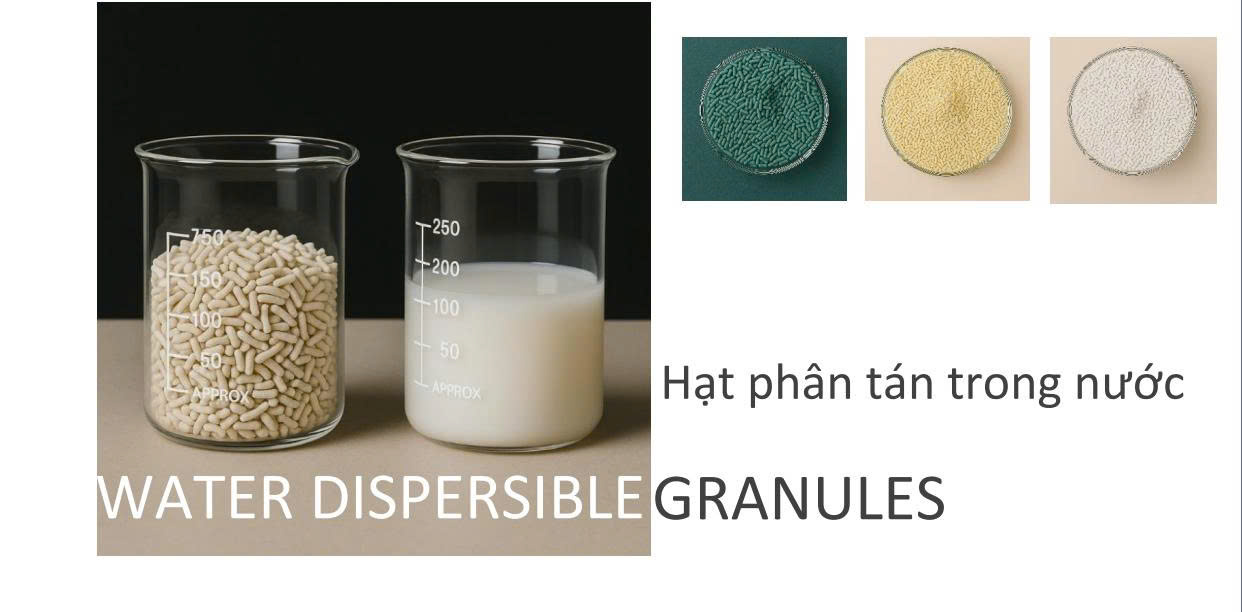
Water Dispersible Granules (WDG), also referred to as WG or DG, are granular pesticide formulations designed to disperse in water. WDG products consist of solid, dry, free‑flowing granules—typically small cylindrical or irregularly shaped particles—with virtually no dust compared to powders. When added to water, the granules rapidly disintegrate into very fine particles (sometimes as small as a human hair in diameter), forming a suspension similar to that of a wettable powder. The user must shake or stir the mixture to ensure complete dispersion and to maintain the particles uniformly suspended throughout application.
WG – an optimal choice thanks to its key advantages


Despite its advantages, WG formulations still have certain limitations
Manufacturing technology
Water Dispersible Granules (WDG) are produced through a dry‑processing method. The process begins with milling the active ingredient into a fine powder, often using a jet mill to achieve extremely small particle sizes. The milled active ingredient is then blended with additives such as binders, dispersants, wetting agents, and fillers to support granulation and improve water dispersibility.
This mixture is fed into an extrusion or compaction system to form long strands resembling “noodles,” which are then cut into short cylindrical granules. The granules are subsequently dried—commonly using fluidized‑bed drying—to reach the required moisture content, followed by sieving to classify particle size and remove off‑spec granules. Finally, the product undergoes quality control testing and packaging.
The final WDG product consists of hard, dust‑free granules that disperse easily in water and are safer and more user‑friendly than powder formulations.
Let's create a sustainable future together!
Contact AMIGOS today to discover how we can help you elevate your product and achieve sustainable success in an increasingly competitive marketplace.

Other solutions
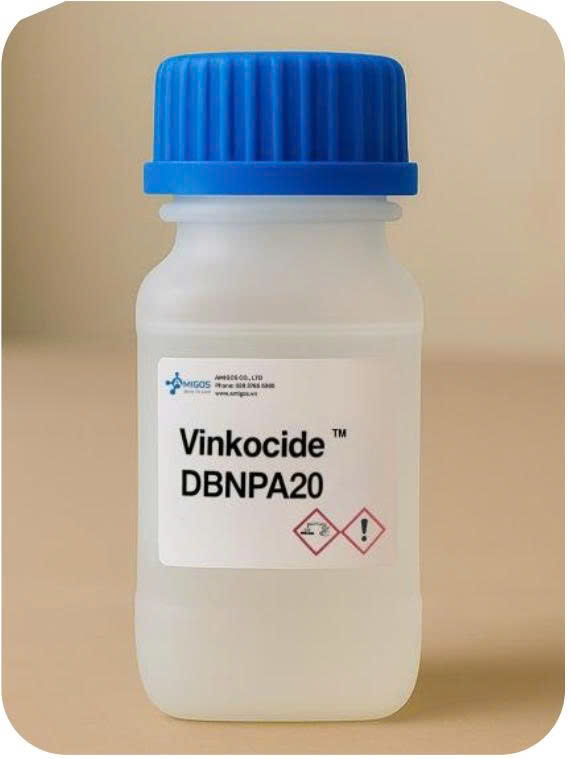
VINKOCIDE™ DBNPA 20
Contact AMIGOS today to discover how
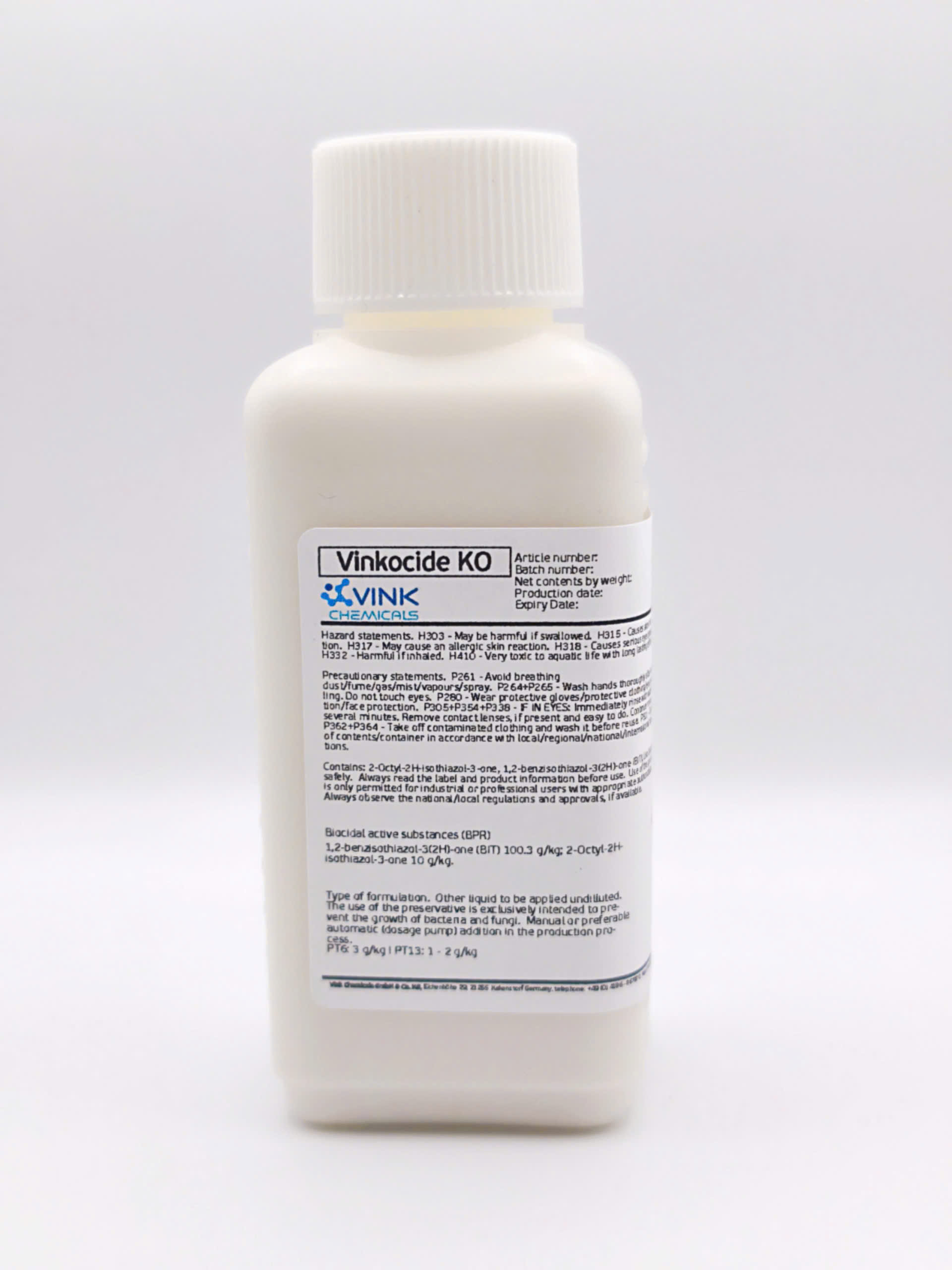
VINKOCIDE™ KO
Contact AMIGOS today to discover how
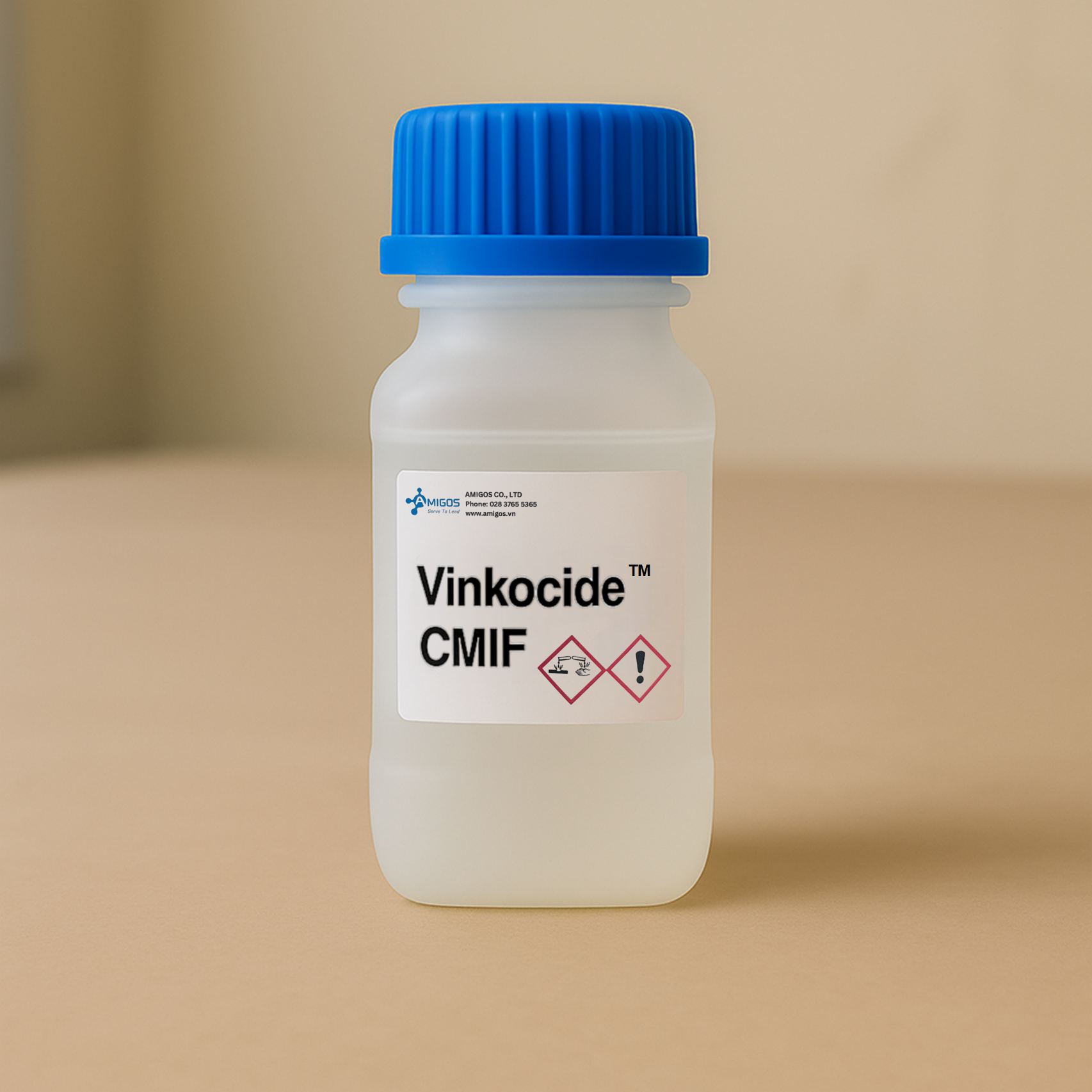
Vinkocide™ CMIF
Contact AMIGOS today to discover how
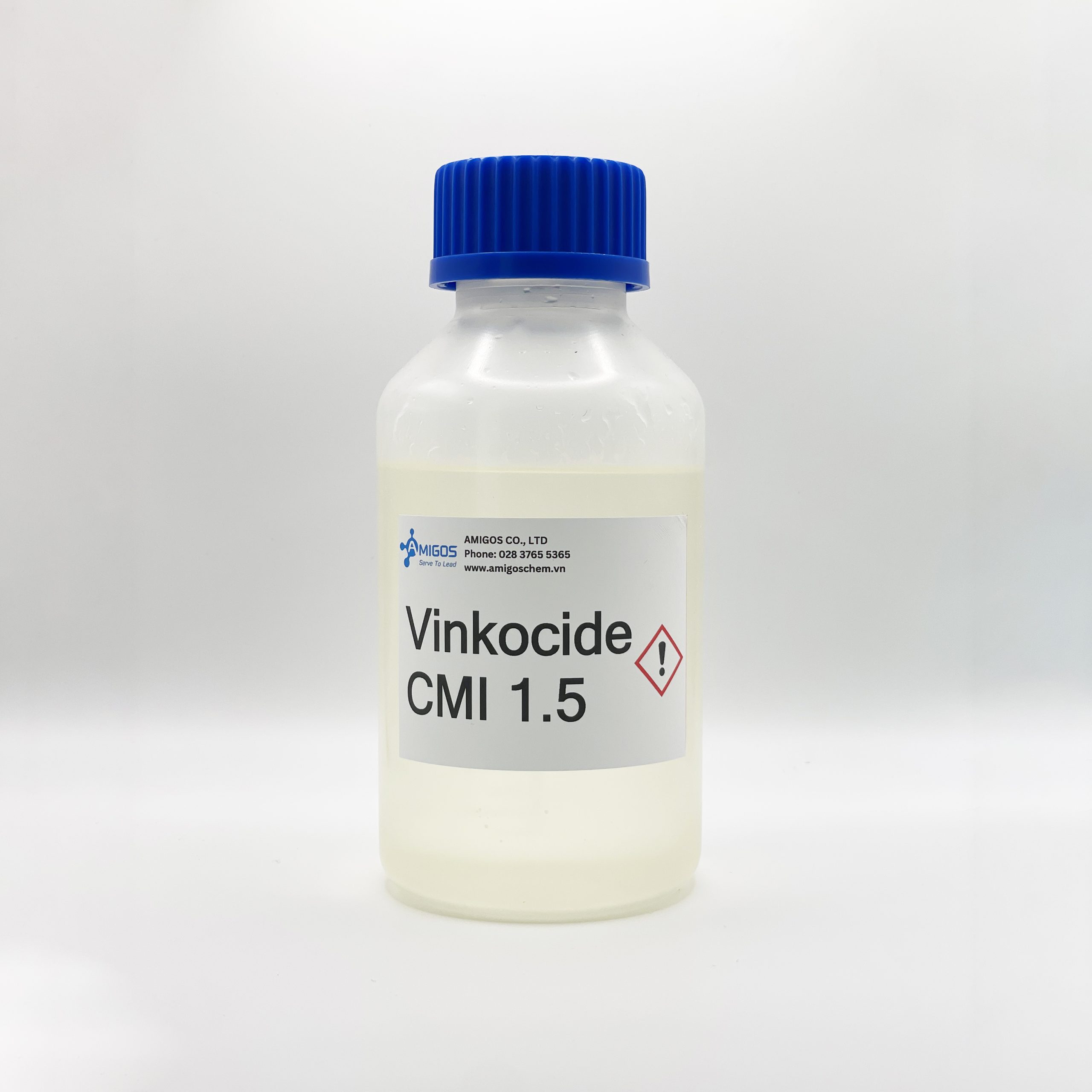
Vinkocide™ CMI 1.5
Contact AMIGOS today to discover how

EUCAROL® X-ION
Contact AMIGOS today to discover how