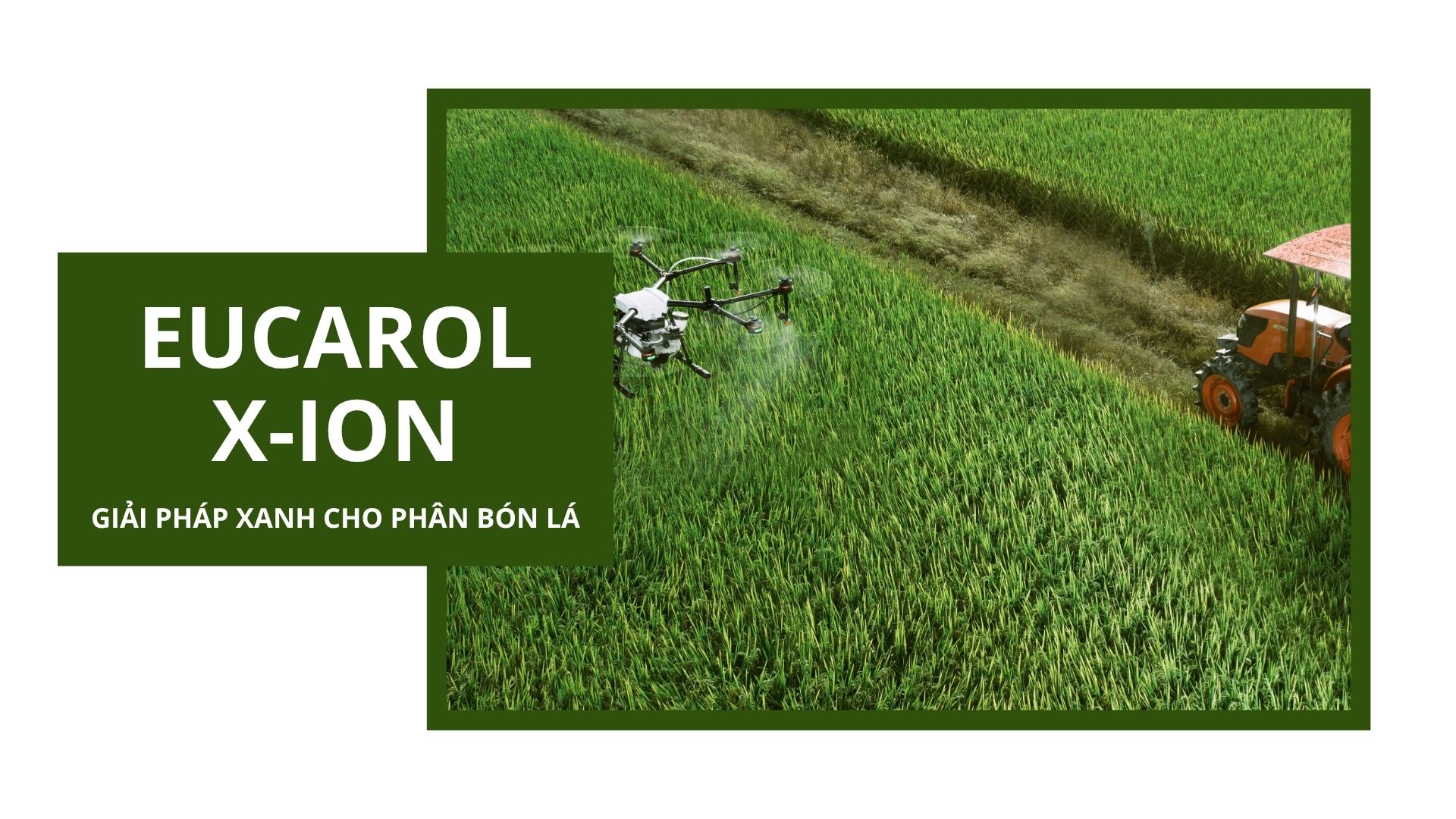
Oil Dispersible (OD)

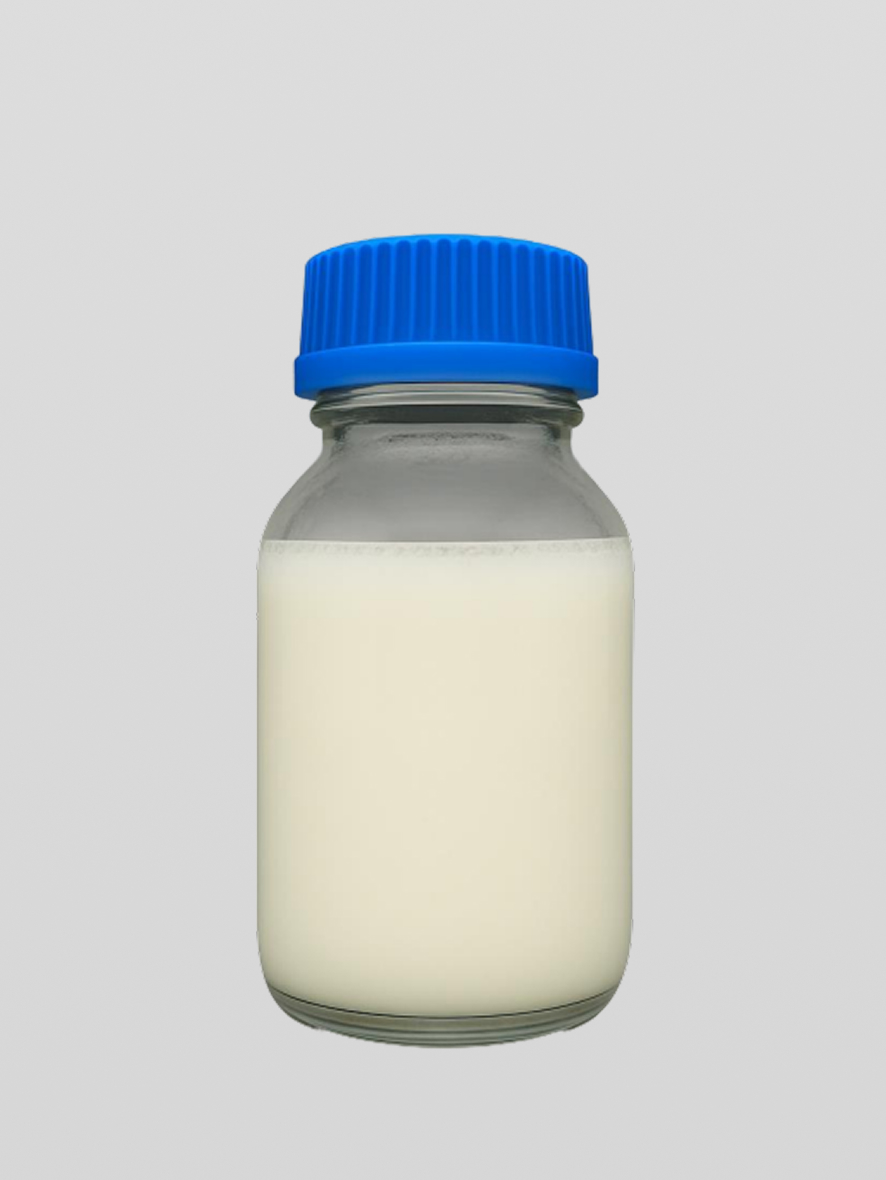
An OD (Oil Dispersible) formulation is a type of pesticide formulation in which a solid active ingredient is dispersed in an oil phase. The oil used may be paraffinic oil, aromatic solvents, vegetable oils, or methylated seed oils. In an ideal OD formulation, the active ingredient is uniformly dispersed throughout the oil phase.
OD formulations are particularly effective for water‑sensitive active ingredients, such as those in the sulfonylurea group. However, OD technology is increasingly applied to many other active ingredients due to several outstanding advantages: improved spray adhesion on leaf surfaces, uniform dispersion, and enhanced foliar uptake. In addition, the oil phase in OD formulations often acts as an adjuvant, contributing to increased biological efficacy.

image
image

OD – an optimal choice thanks to its key advantages
  • Particularly suitable for hydrolysis‑sensitive active ingredients, enabling them to be formulated as liquid products
  • The continuous oil phase acts as an integrated adjuvant
  • The oil phase can enhance penetration and improve spray retention on leaf surfaces
  • No preservatives are required (due to the absence of water)
image
image

Despite its advantages, OD formulations still have certain limitations

  • More prone to sedimentation compared with water‑based systems
  • More challenging to formulate

Key principles for developing an OD (Oil Dispersible) formulation

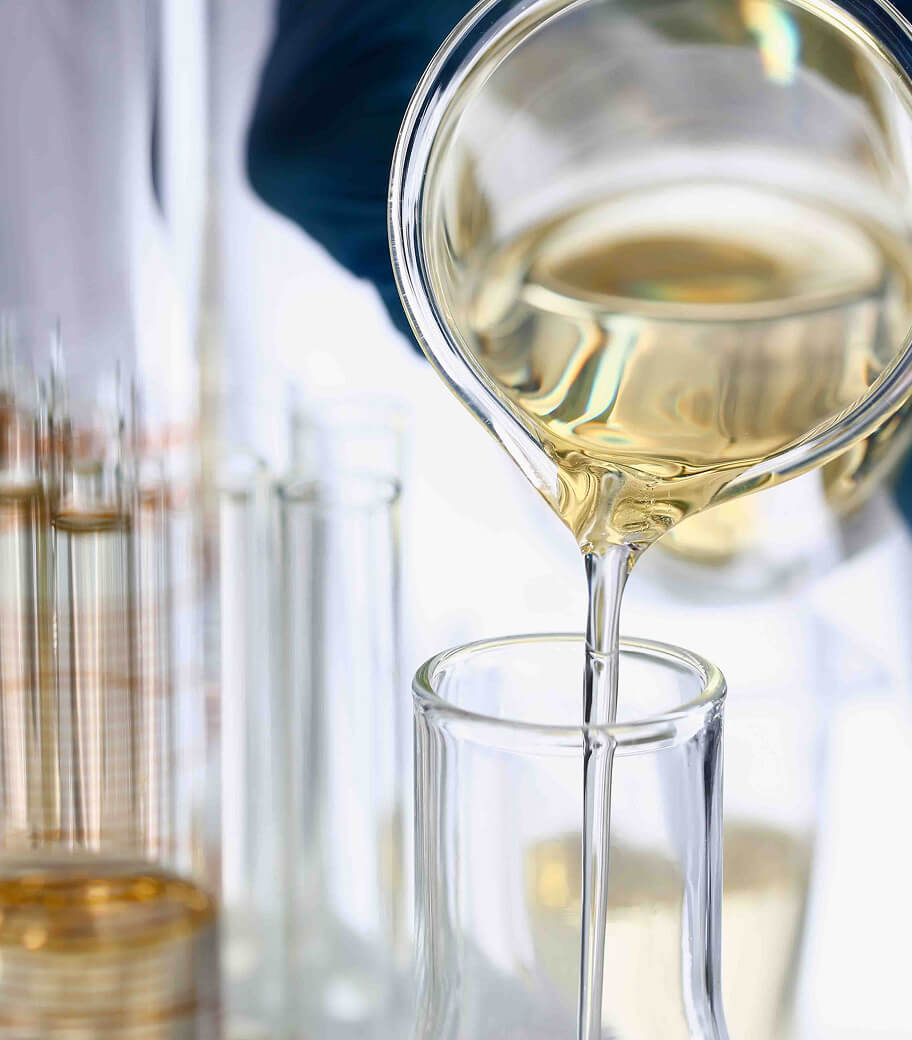
To prepare an effective and stable OD formulation, the solid active ingredient must first be finely milled to an appropriate particle size to ensure good dispersibility in the oil phase. Next, a suitable oil is selected, and oil‑compatible emulsifiers, dispersants, and thickeners are prepared. These components are blended into the oil and mixed until homogeneous. The milled active ingredient is then combined with a portion of the oil phase to form a fine dispersion. The remaining oil and any additional auxiliaries (if required) are added and mixed thoroughly. Finally, high‑shear mixing is applied to obtain a uniform and stable dispersion. Before packaging, the formulation must be evaluated for key technical parameters such as stability, dispersibility, and viscosity. The main components typically found in an OD formulation include:
STT Components % (w/w)
01 Active ingredient 2 – 50
02 Dispersant/Wetting agent 1 – 5
03 Additives (if required) 10 – 25
04 Thickener 1 – 4
05 Antifreeze agent 1 – 3
06 Defoamer q.s 100

Let's create a sustainable future together!
Contact AMIGOS today to discover how we can help you elevate your product and achieve sustainable success in an increasingly competitive marketplace.

    image

    Other solutions

    VINKOCIDE™ DBNPA 20

    VINKOCIDE™ DBNPA 20

    Contact AMIGOS today to discover how
    VINKOCIDE™ KO

    VINKOCIDE™ KO

    Contact AMIGOS today to discover how
    Vinkocide™ CMIF

    Vinkocide™ CMIF

    Contact AMIGOS today to discover how
    Vinkocide™ CMI 1.5

    Vinkocide™ CMI 1.5

    Contact AMIGOS today to discover how
    EUCAROL<sup>®</sup> X-ION

    EUCAROL® X-ION

    Contact AMIGOS today to discover how