

Soluble Liquid (SL)
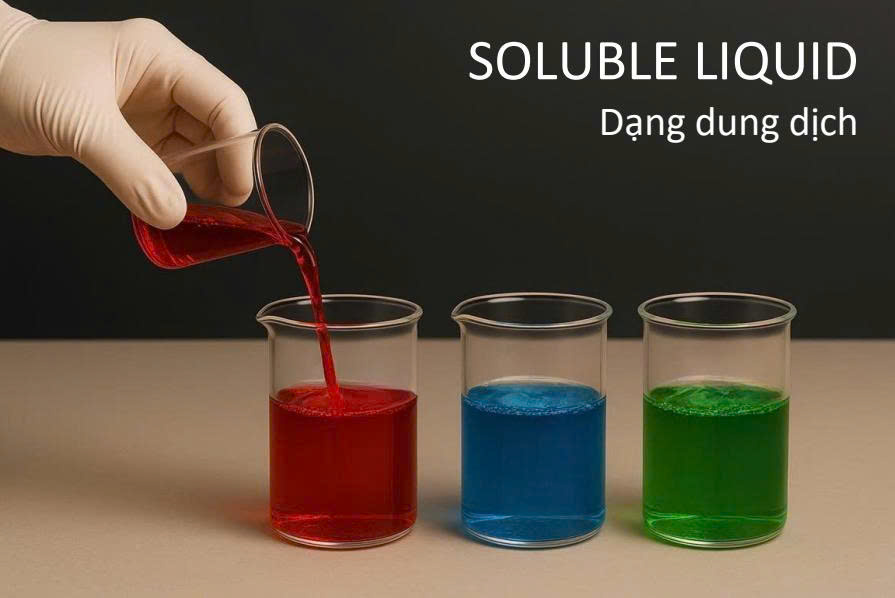
The SL (Soluble Liquid) formulation is a liquid-type pesticide formulation in which the active ingredient is dissolved in water or a water‑miscible organic solvent. To enhance the performance and efficacy of SL formulations, penetration adjuvants and surfactants (wetting agents) are commonly incorporated into the formulation.
To ensure that an SL formulation remains highly effective and stable throughout storage, the active ingredient used must meet several critical requirements: it must be soluble and stable in water or polar solvents, must not crystallize when stored at low temperatures, and must exhibit good resistance to hydrolysis to maintain long‑term product stability.

SL – an optimal choice thanks to its outstanding advantages


Despite its advantages, SL formulations still have certain limitations
THE KEY PRINCIPLES OF AN SL (SOLUBLE LIQUID) FORMULATION
To develop a pesticide formulation in the SL (Soluble Liquid) form, the first step is selecting an active ingredient with good solubility and stability in water or polar solvents such as isopropanol or ethanol. The formulation is then blended with various additives, including surfactants to enhance adhesion, penetration enhancers to improve active‑ingredient uptake, antifoaming agents, and pH stabilizers to ensure overall formulation stability. All components must be completely dissolved and adjusted with water to the required final volume.
Finally, the formulation must undergo evaluation for stability, solubility, foaming tendency, and crystallization behavior to ensure product quality during storage and use. The main components typically present in an SL formulation include:
MỘT SỐ PHỤ GIA CỦA AMIGOS GIÀNH CHO CÁC CÔNG THỨC SL
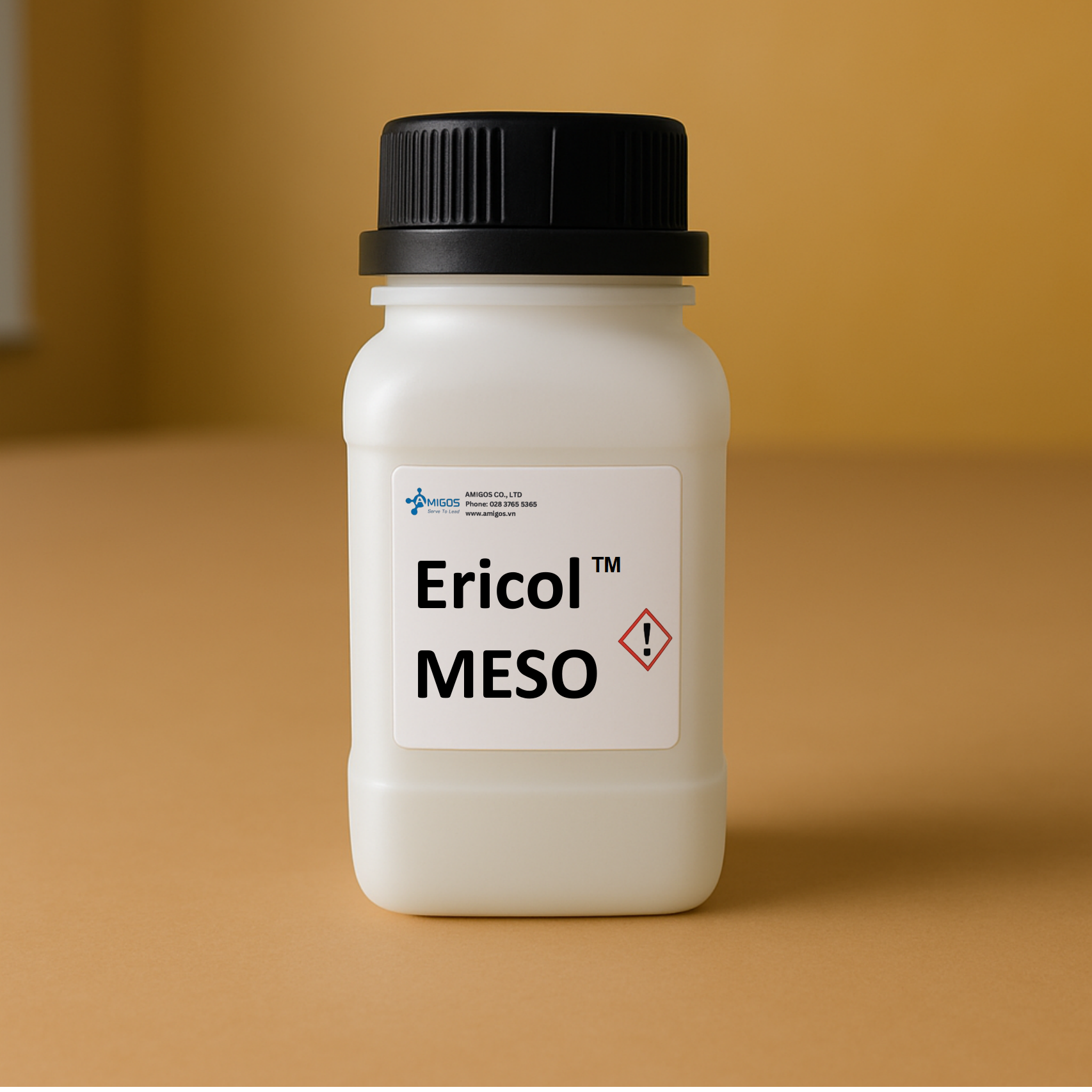
Ericol™ MESO
Ericol™ MESO is a high molecular weight copolymer surfactant blend. It functions as an effective dispersing and wetting agent, well-suited for high-active-ingredient formulations, and demonstrates excellent solubility in saline and electrolyte-rich environments.
Let's create a sustainable future together!
Contact AMIGOS today to discover how we can help you elevate your product and achieve sustainable success in an increasingly competitive marketplace.
Other solutions
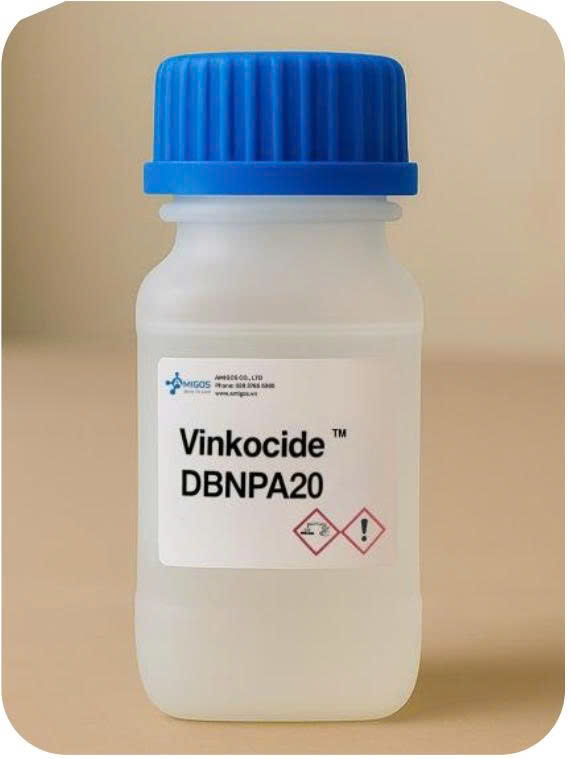
VINKOCIDE™ DBNPA 20
Contact AMIGOS today to discover how
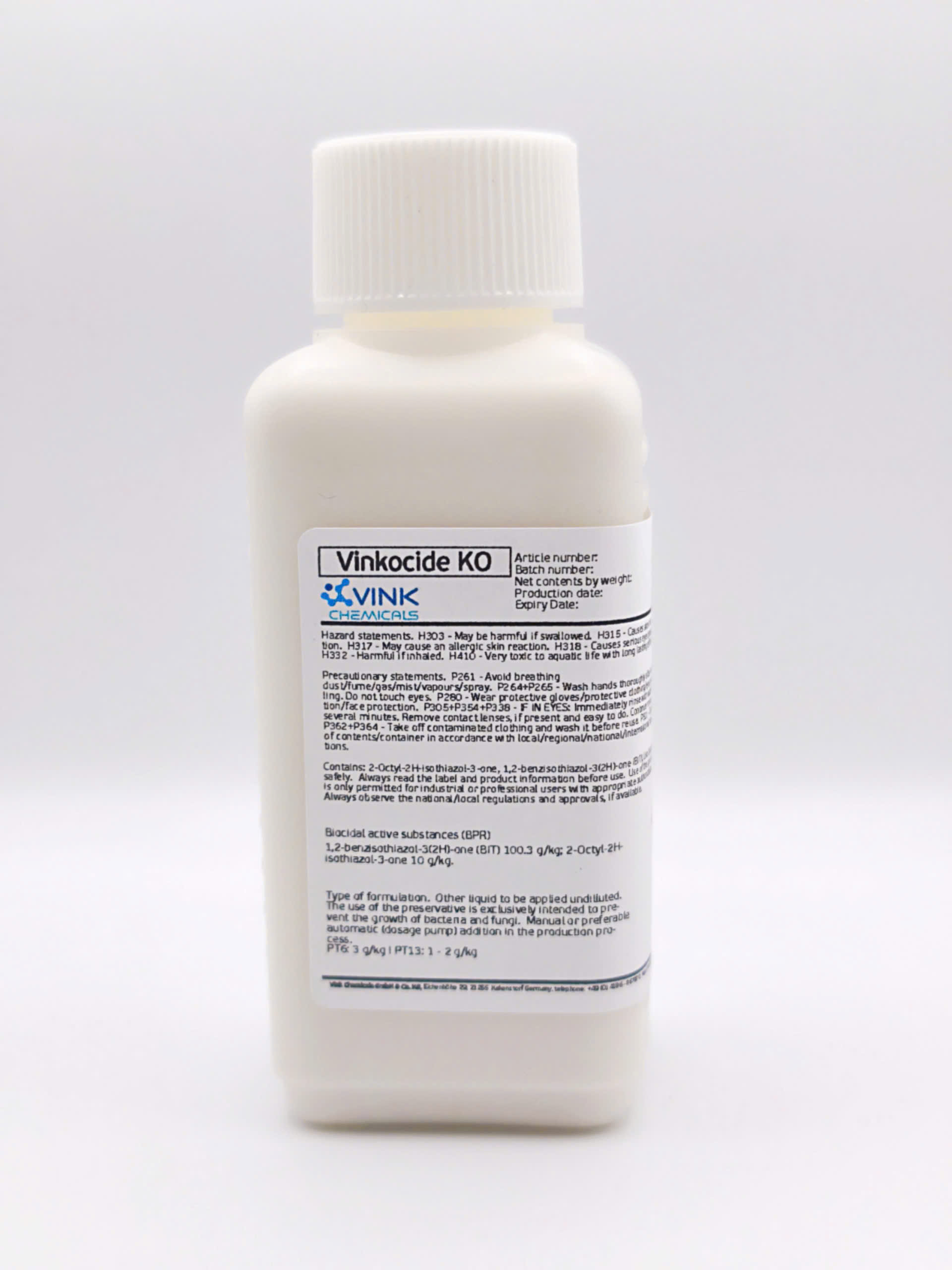
VINKOCIDE™ KO
Contact AMIGOS today to discover how
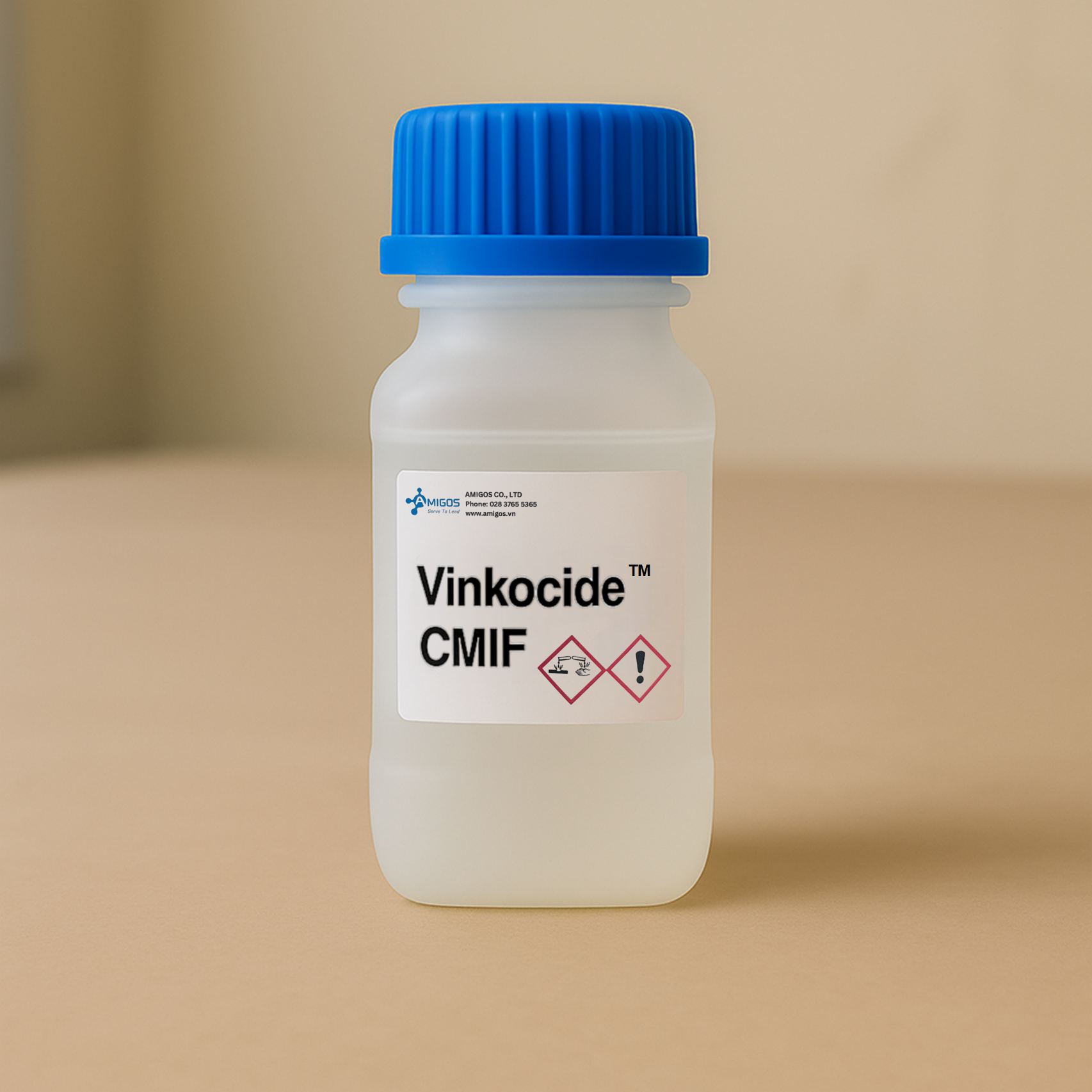
Vinkocide™ CMIF
Contact AMIGOS today to discover how
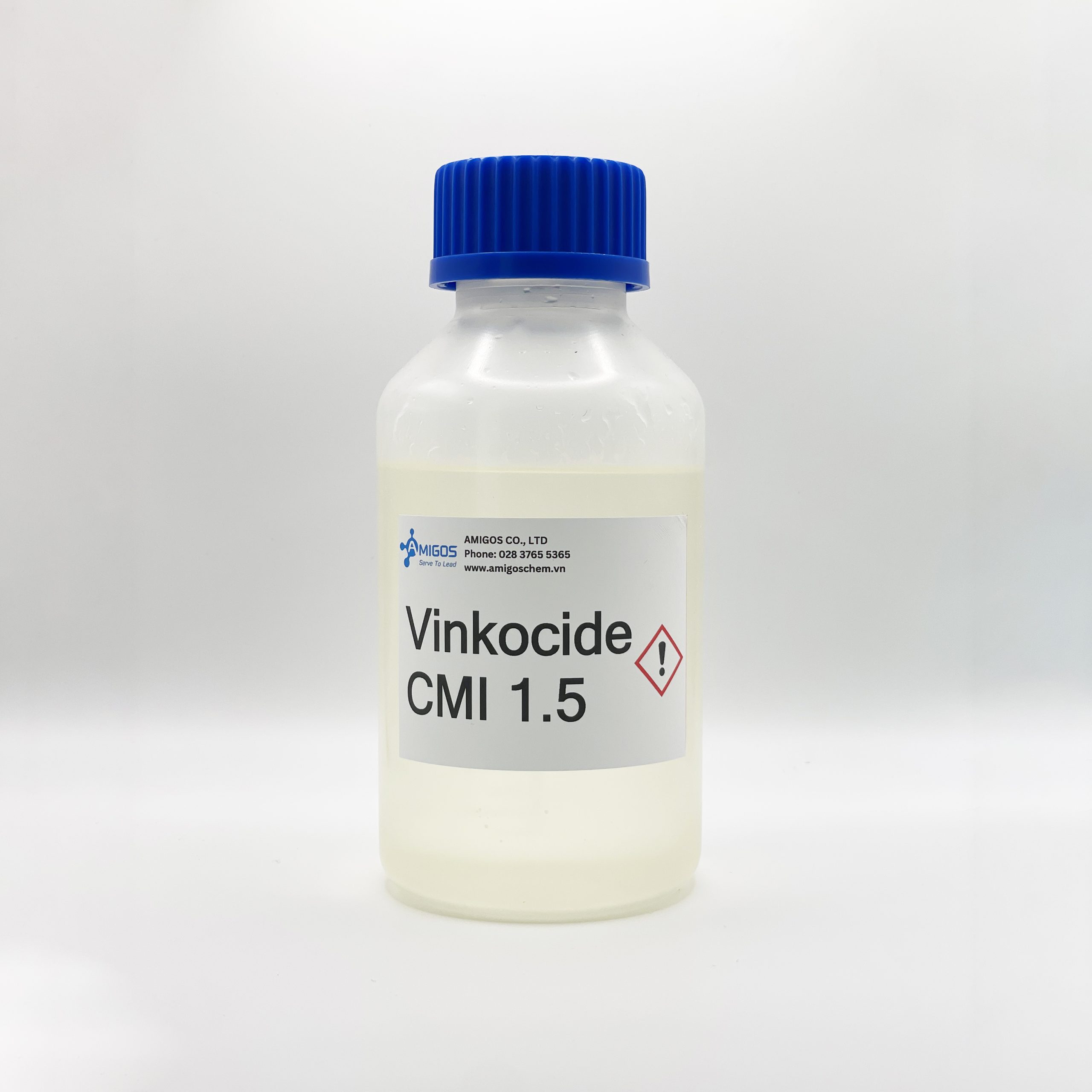
Vinkocide™ CMI 1.5
Contact AMIGOS today to discover how
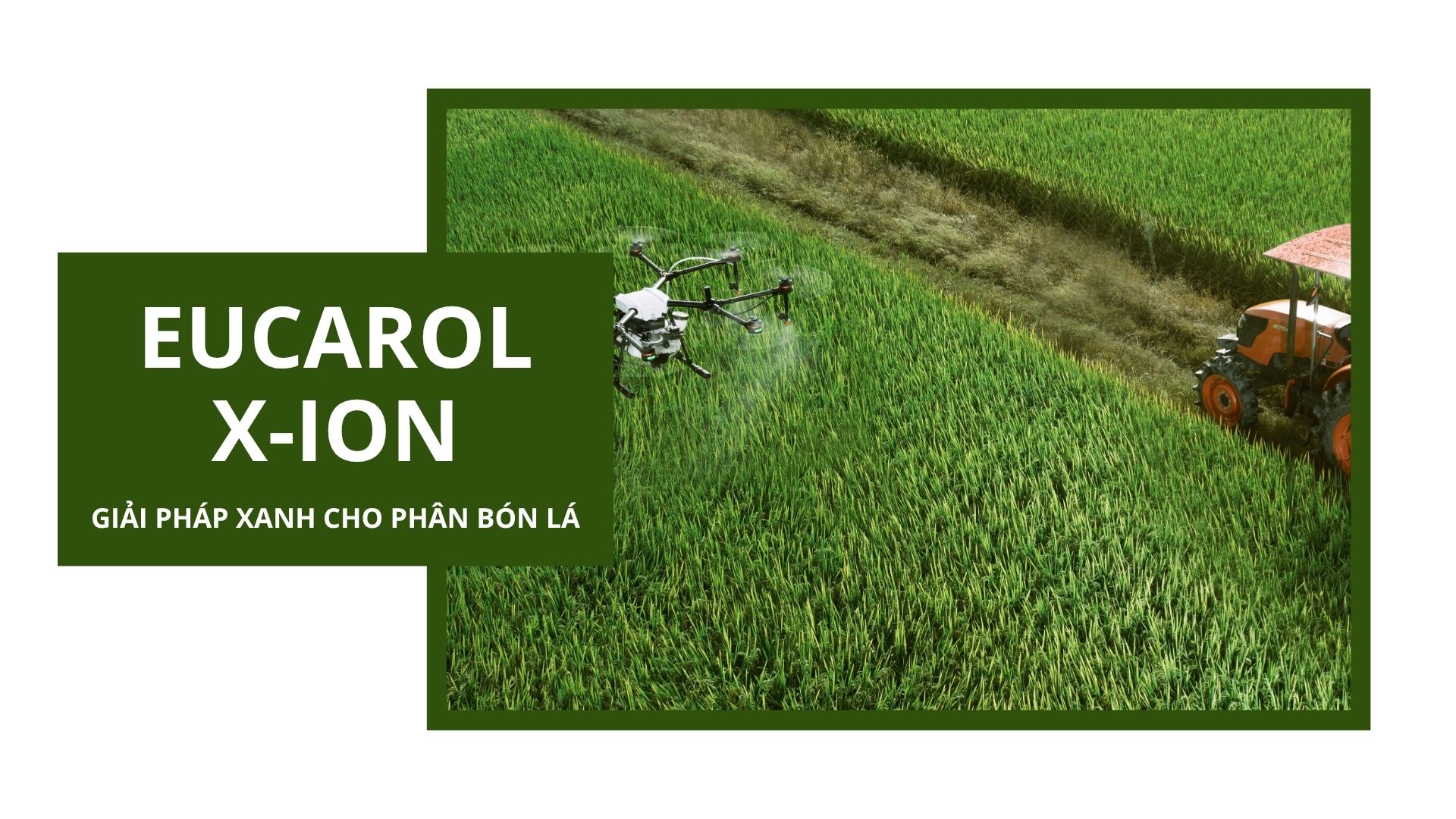
EUCAROL® X-ION
Contact AMIGOS today to discover how