Suspo-Emulsion (SE)

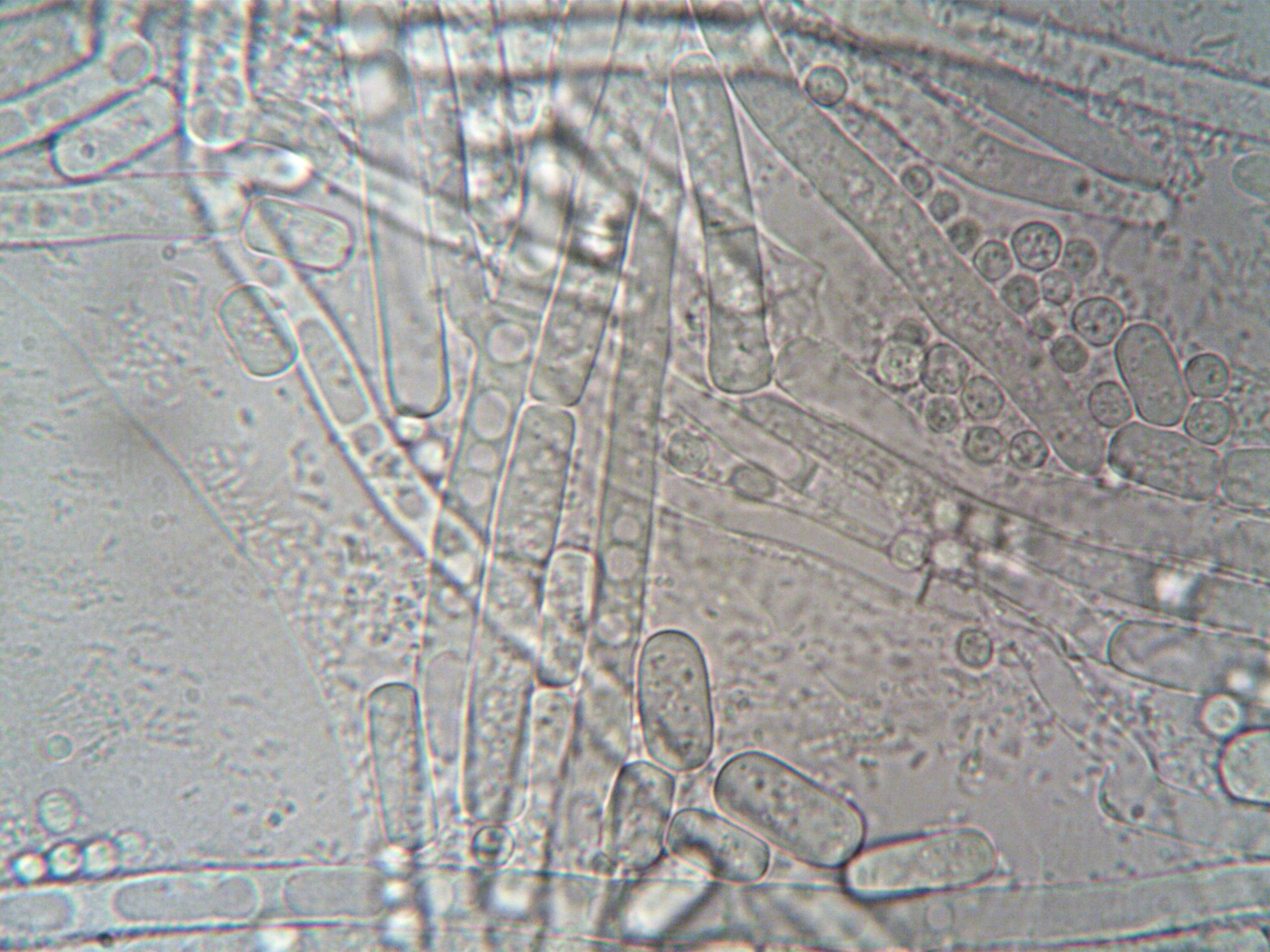
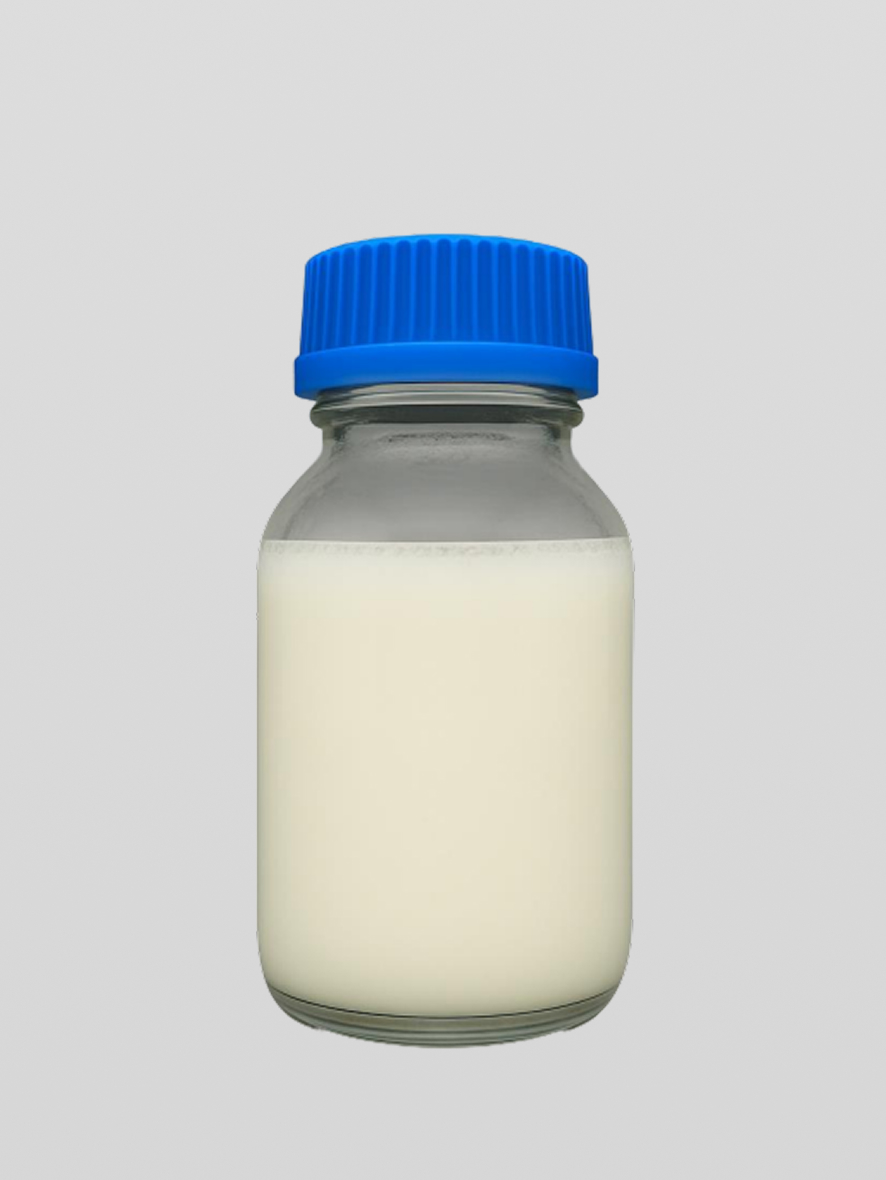
A suspo‑emulsion (SE) is a formulation used to combine two active ingredients with very different physical properties in a single product. It represents a hybrid technology that integrates both suspension concentrate (SC) and concentrated oil‑in‑water emulsion (EW) systems.

SE = SC + EW
image
image

SE – an optimal choice thanks to its key advantages
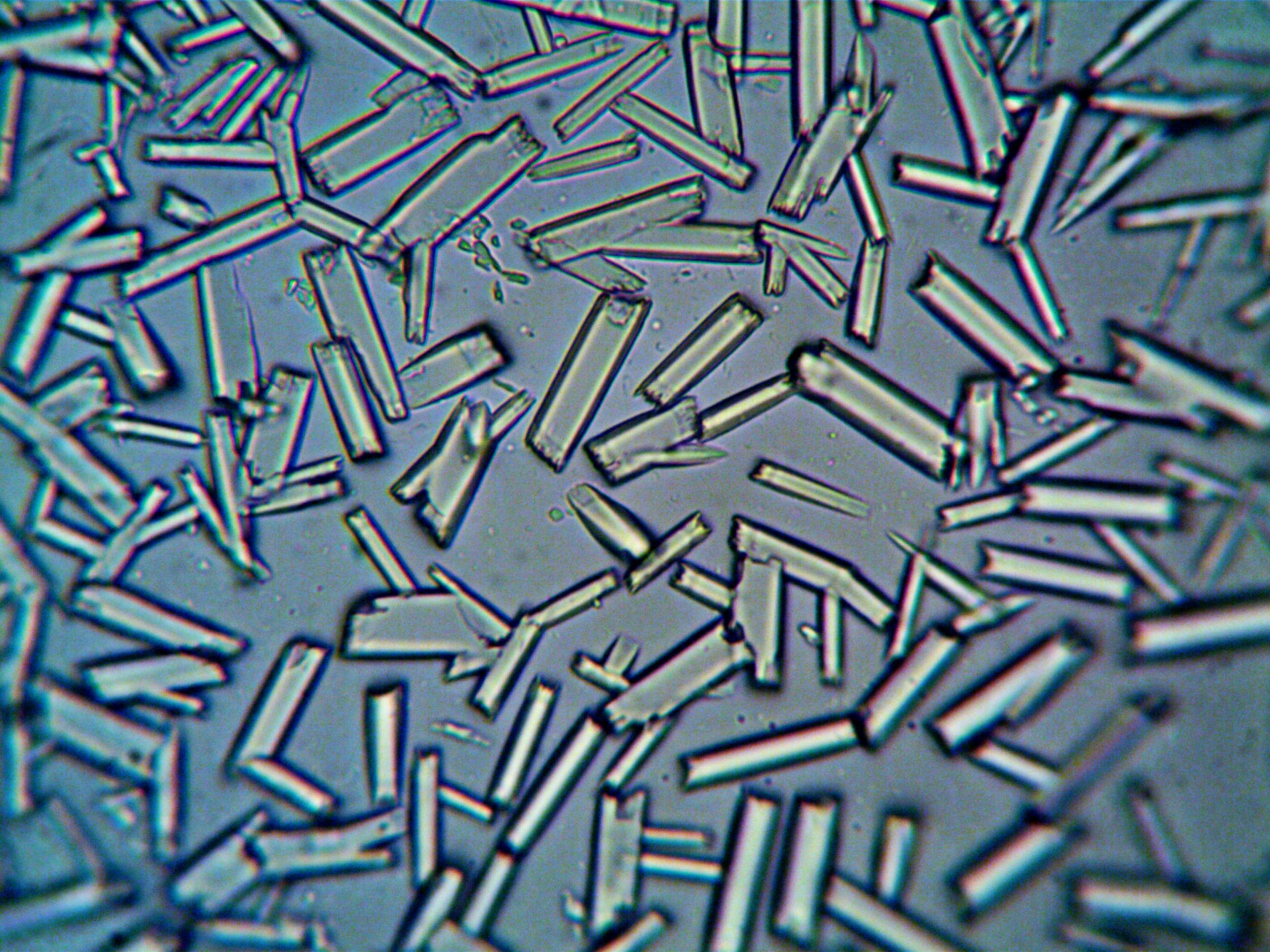
  • Enables the combination of multiple active ingredients with different solubilities or melting points
  • Active‑ingredient mixtures are often used to broaden the pest‑control spectrum
  • Pre‑mixing active ingredients eliminates the need for tank mixing, avoiding incompatibility issues in the spray tank
image
image
image

Despite its advantages, SE formulations still have certain limitations

  • High risk of phase separation – Because multiple phases coexist, the system is prone to sedimentation (solid particles) and creaming (oil droplets), leading to loss of homogeneity.
  • Difficult to maintain long‑term stability – Interactions between phases and additives can destabilize the system during storage
  • Complex colloidal structure – Requires multifunctional surfactants capable of stabilizing both phases simultaneously, making formulation development challenging
  • - High risk of flocculation and agglomeration – If particle size is not tightly controlled, flocculation(1) or agglomeration(2) may occur
  • (1) Flocculation - Loose aggregation of fine particles into flocs due to weak attractive forces; easily redispersed by shaking
  • (2) Agglomeration – Strong, irreversible binding of particles into large clusters; difficult to break apart, causing permanent sedimentation
  • Oil‑layer formation – If emulsion droplets are too large or unstable, an oil layer may form on the surface
  • Loss of homogeneity during storage – The product may stratify and become difficult to redisperse, affecting spray dosage accuracy
  • Requires advanced manufacturing equipment – High‑shear mixers, mills, and precise mixing techniques increase production costs
  • Difficult to scale up – Highly sensitive to mixing conditions, order of addition, and processing time, making large‑scale production error‑prone
  • Susceptible to microbial contamination – The aqueous phase combined with organic additives provides a favorable environment for microbial growth if preservatives are insufficient
  • High compatibility‑testing requirements – pH, viscosity, electrolytes, and temperature must be evaluated to avoid adverse interactions between components
  • Slower commercial development – SE formulations require longer optimization than SC or EC because two systems must be stabilized simultaneously

Common approaches to developing SE formulations

SE formulations can be created using several different approaches. The most common combination methods include:

1. Combining SC with EC. This is the simplest method for producing SE. It allows the use of both solid and liquid active ingredients, with total active‑ingredient loading reaching 65–70% (w/w).

2. Combining SC with EW. Achieving high active‑ingredient loading may be more difficult than with SC + EC. However, this method provides excellent compatibility and stability because both systems share similar dispersion and emulsification mechanisms.

3. Combining WP or air‑milled active ingredients with EW. (Wettable powder or dry‑milled active ingredient + concentrated oil‑in‑water emulsion)
This is a flexible alternative. No milling step is required if the active ingredient has already been micronized by air‑milling. High active‑ingredient loading can be achieved in the final product.

image

PHÂN TÍCH SÂU HƠN VỀ CÔNG THỨC SE KẾT HỢP SC VÀ EC HOẶC SC VÀ EW

Việc xây dựng công thức SE bằng cách kết hợp SC và EC là một phương pháp truyền thống phổ biến. Tuy nhiên, vấn đề về tính ổn định thường xảy ra khi EC được pha loãng trong nước và chịu nhiệt độ cao. Điều này thường khiến việc kết hợp EC vào SC trở nên rất khó khăn vì độ ổn định lưu trữ của SE cuối cùng có thể kém.

Mặc dù thoạt nhìn phương pháp này có vẻ đơn giản, nhưng nó thường đi kèm với các vấn đề về ổn định như: Kết tụ. Không đồng nhất sau khi tiếp xúc với nhiệt độ cao. Biến đổi độ nhớt không ổn định


Việc chỉ tăng lượng chất hoạt động bề mặt thường không đủ để giải quyết các vấn đề này, thậm chí còn có thể làm chúng nghiêm trọng hơn. Việc đầu tư nhiều thời gian để giải quyết các vấn đề như vậy không phải là hiếm.

Vì các vấn đề về tính ổn định nói trên, cách làm ra công thức SE phổ biến nhất hiện nay là kết hợp EW và SC. Việc phát triển một EW ổn định trước khi kết hợp với SC giúp giảm khả năng xảy ra các vấn đề về ổn định như khi dùng EC để phối trộn với SC.


Let's create a sustainable future together!

Contact AMIGOS today to discover how we can help you elevate your product and achieve sustainable success in an increasingly competitive marketplace.

    image

    Other solutions

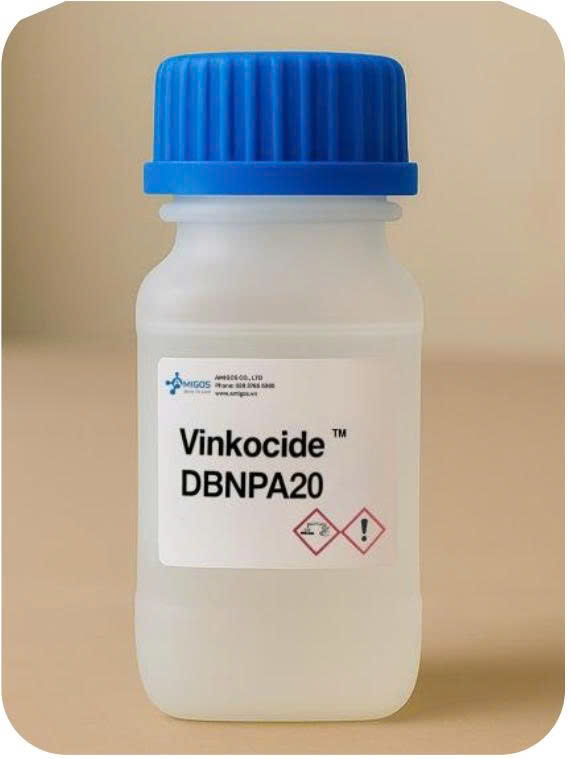
    VINKOCIDE™ DBNPA 20

    VINKOCIDE™ DBNPA 20

    Contact AMIGOS today to discover how
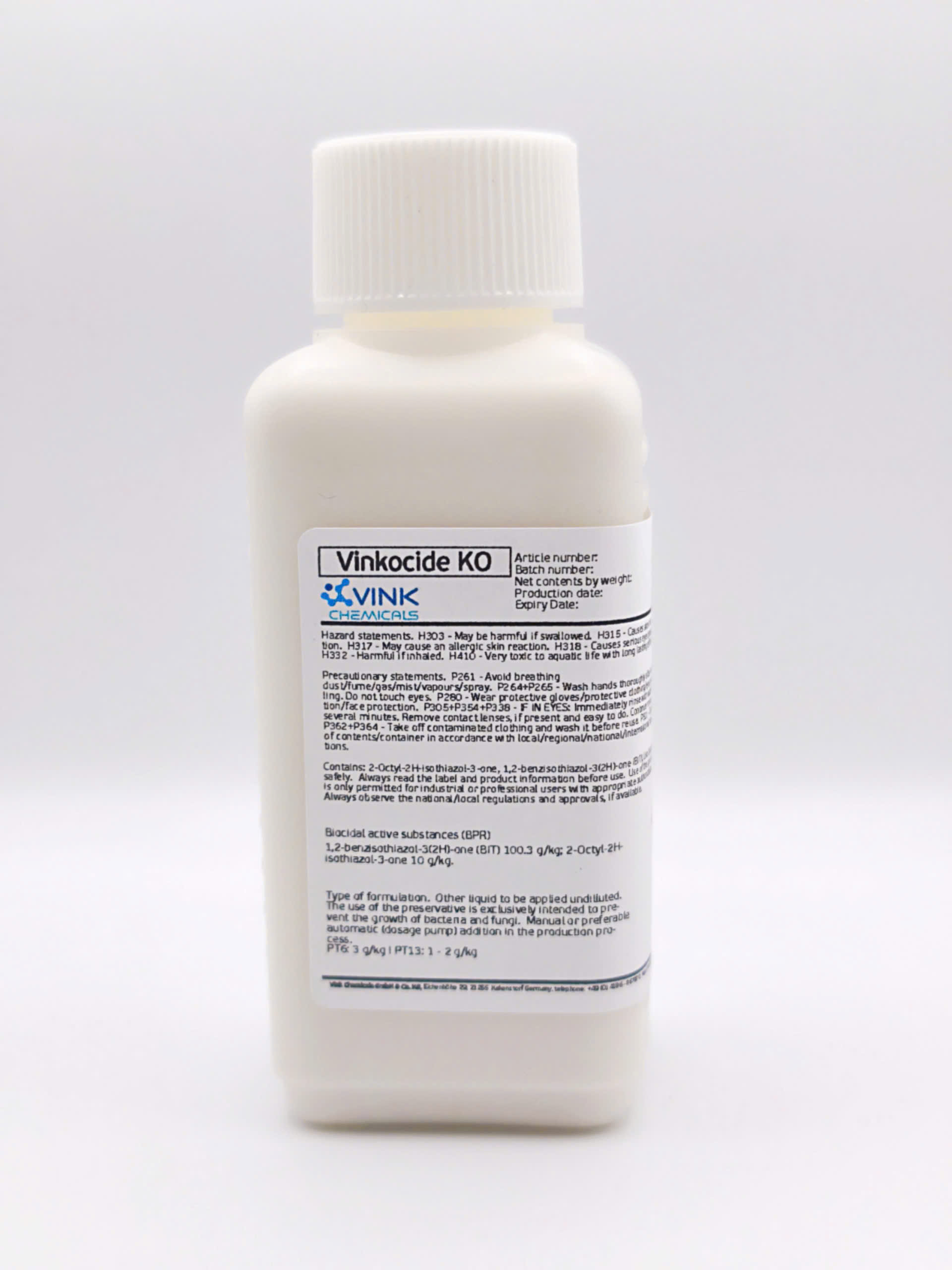
    VINKOCIDE™ KO

    VINKOCIDE™ KO

    Contact AMIGOS today to discover how
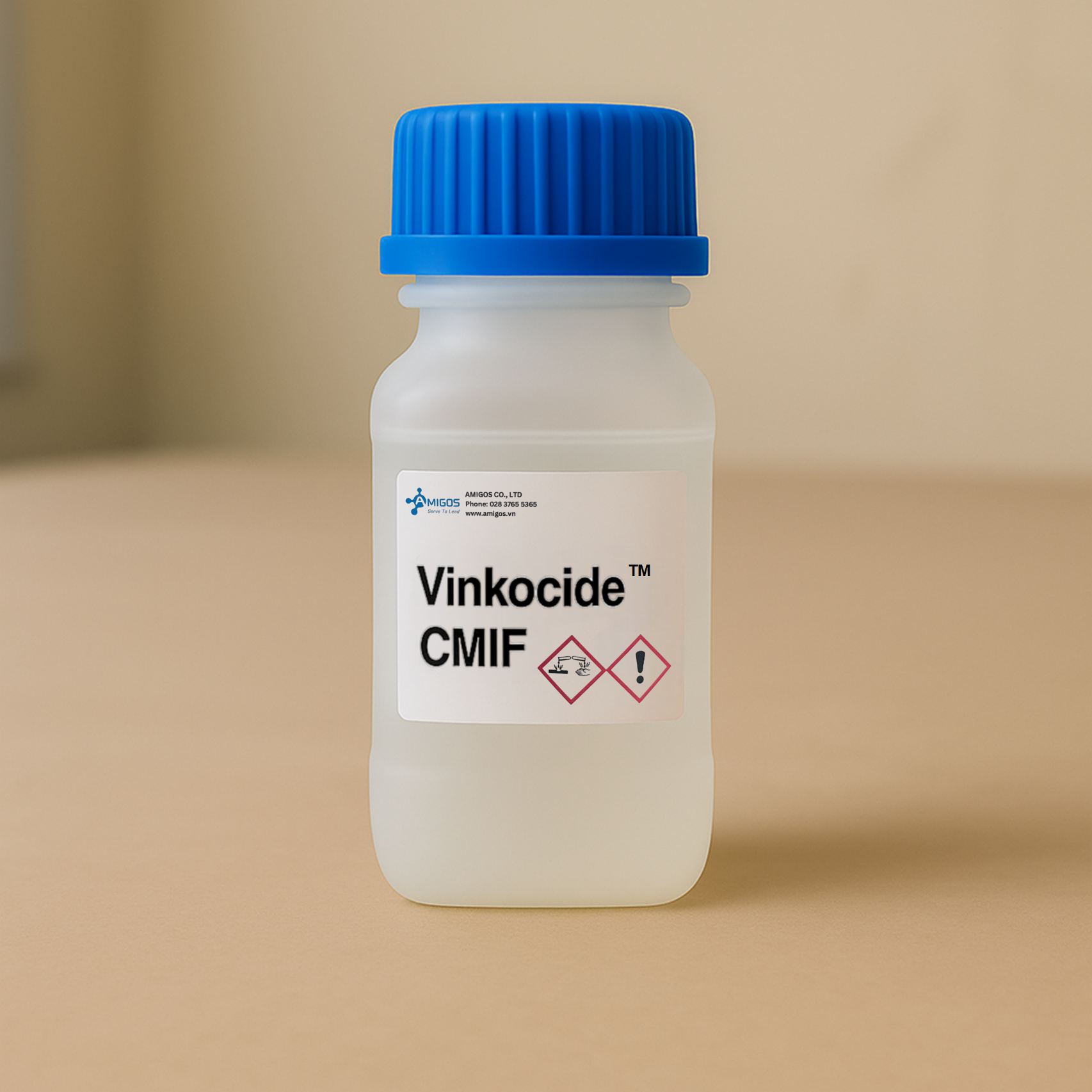
    Vinkocide™ CMIF

    Vinkocide™ CMIF

    Contact AMIGOS today to discover how
    Vinkocide™ CMI 1.5

    Vinkocide™ CMI 1.5

    Contact AMIGOS today to discover how
    EUCAROL<sup>®</sup> X-ION

    EUCAROL® X-ION

    Contact AMIGOS today to discover how