


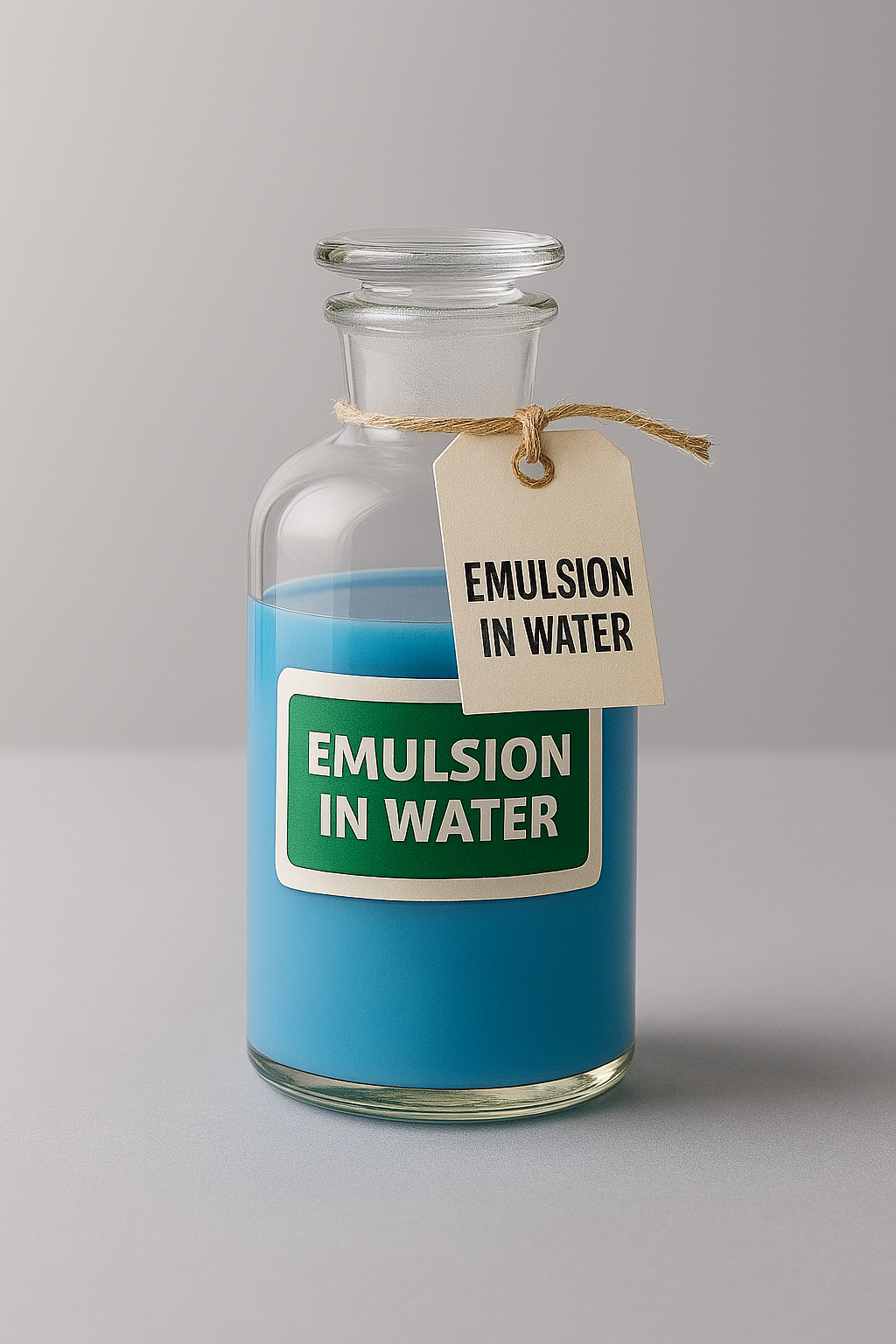
Emulsion in Water (EW)
EW (Emulsion in Water) formulations are stable emulsions in which a water‑insoluble liquid is dispersed within a continuous aqueous phase. This water‑insoluble liquid may be a liquid active ingredient or a solid active ingredient that has been dissolved in a suitable solvent.
Compared with EC (Emulsifiable Concentrate) formulations, EW formulations are considered a safer and more environmentally friendly option because water is used as the continuous phase instead of organic solvents. This reduces phytotoxicity, minimizes fire and explosion hazards, simplifies handling, and lowers the environmental impact.

EW – an optimal choice thanks to its key advantages
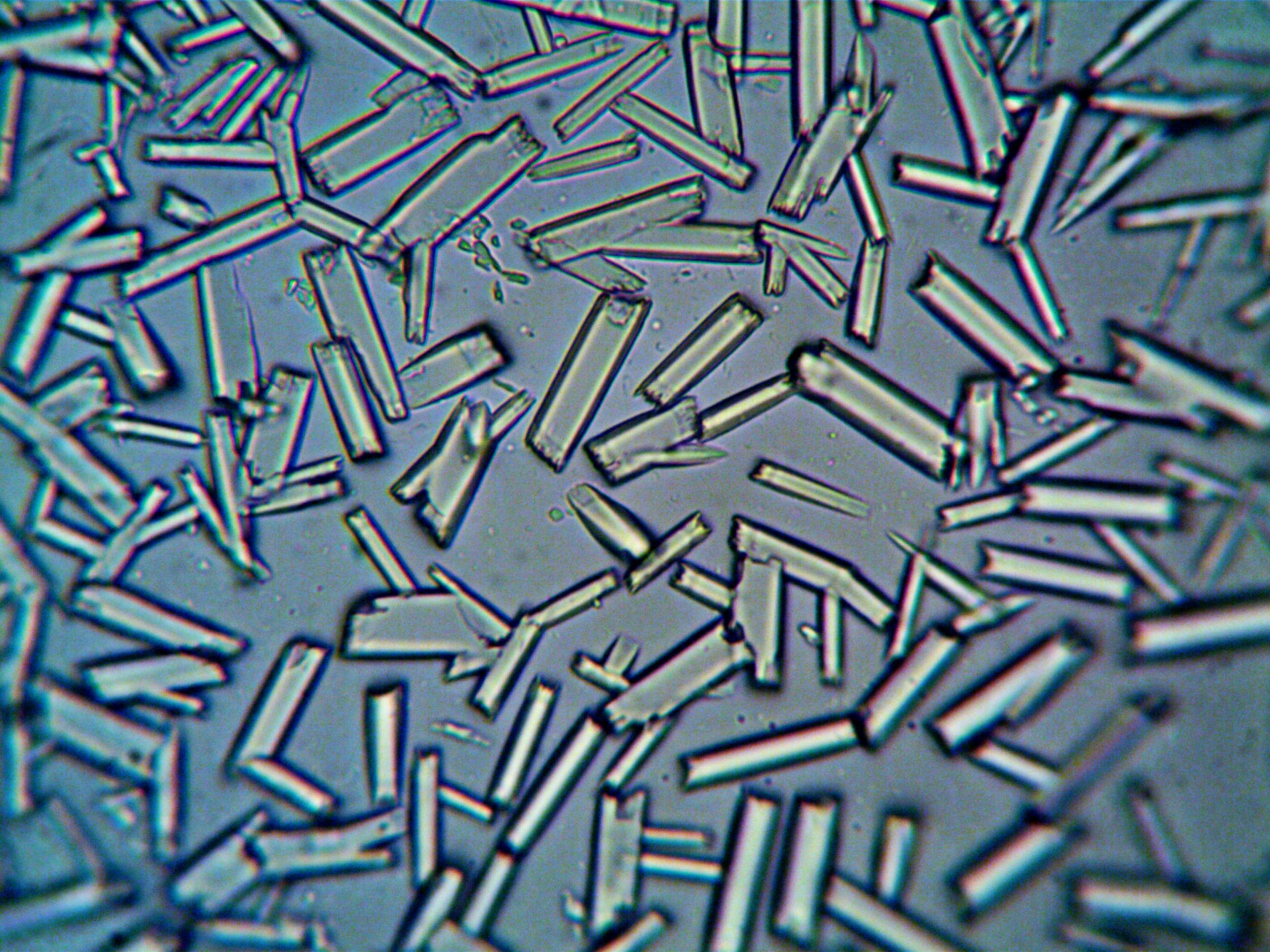

Despite its advantages, EW formulations still have certain limitations
Key principles for developing an EW formulation
To formulate an effective and stable EW (Emulsion in Water) product, the following sequence of steps must be followed. First, if the active ingredient is in solid form, an appropriate solvent must be identified to dissolve it. Next, suitable surfactants are selected according to the formulation requirements. Antifreeze agents and thickeners are then incorporated, followed by the addition of water, preservatives, and defoamers. This mixture is stirred until a uniform, continuous aqueous phase is obtained.
In a separate step, emulsifiers are combined with the active ingredient or oil phase and mixed until a homogeneous dispersed oil phase is formed. This oil phase is then slowly added to the aqueous phase under gentle agitation. Finally, high‑shear mixing is applied to fully homogenize the emulsion system.
The main components commonly included in an EW formulation are:
MỘT SỐ PHỤ GIA CỦA AMIGOS GIÀNH CHO CÁC CÔNG THỨC EW
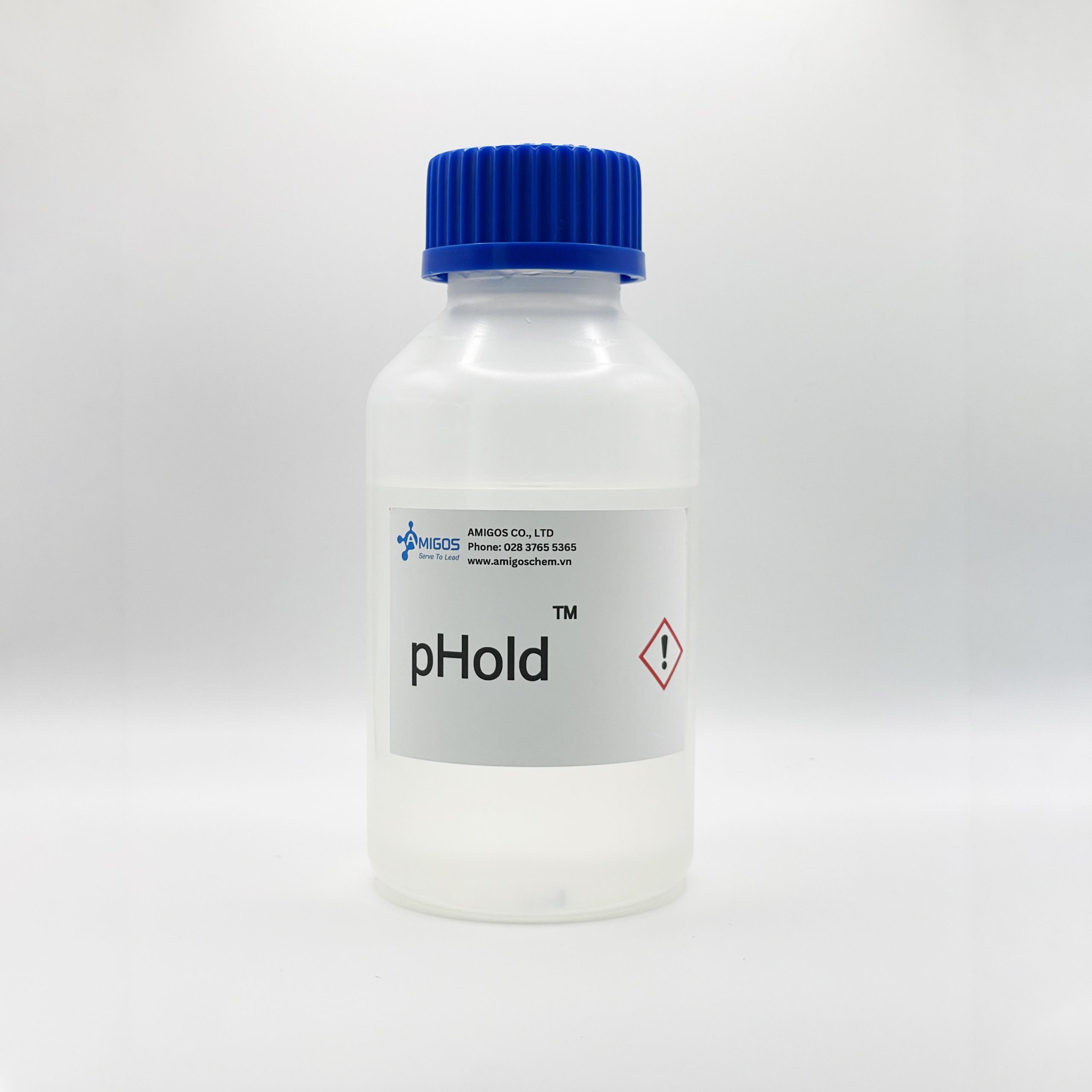
pHold
pHold is an amine polycarboxylic acid. It functions as a pH adjuster, working in combination with Viscotex® EP2 to stabilize the formulation without affecting other product properties
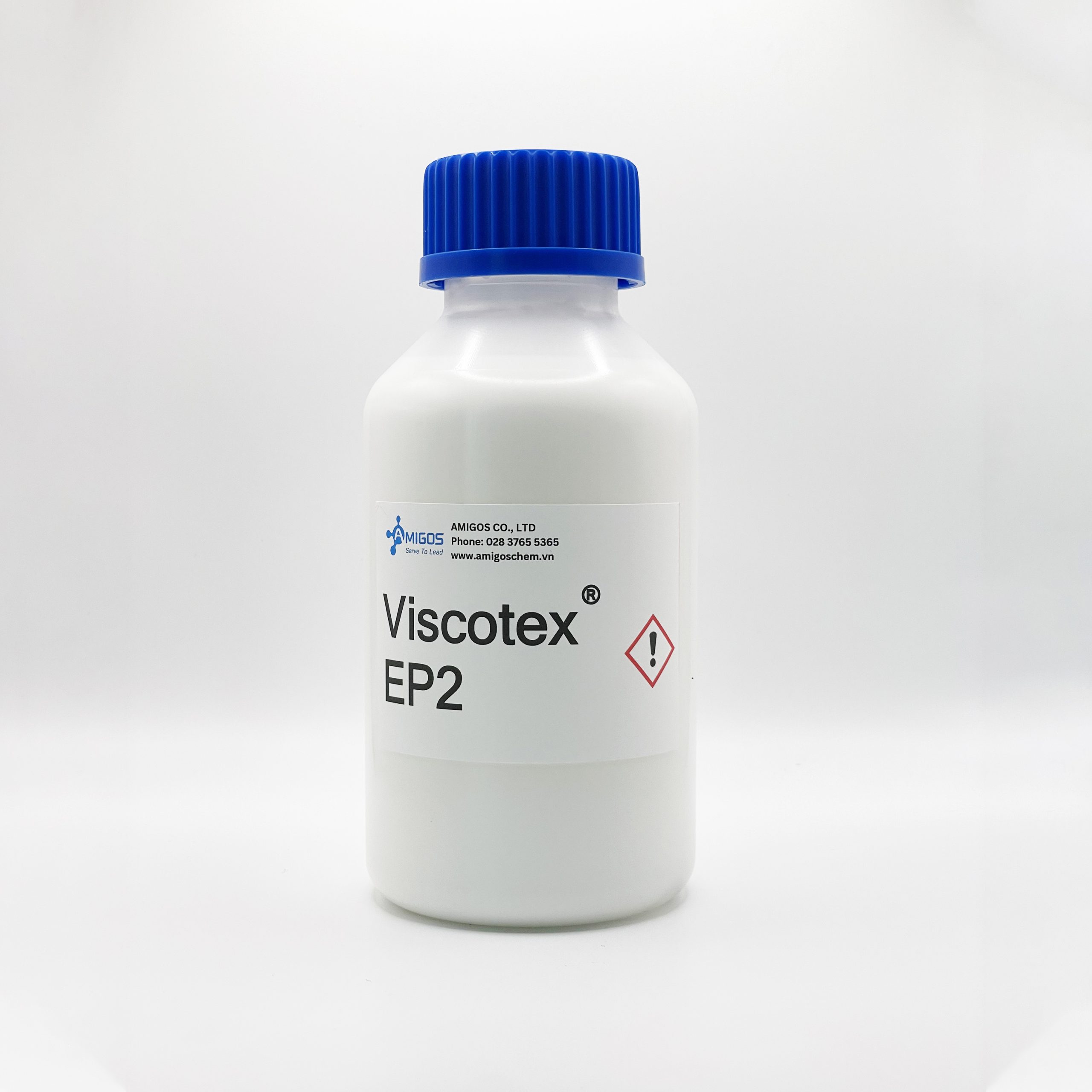
Viscotex® EP2
Viscotex® EP2 is a specialty polymer based on acrylic ester. It is a next-generation thickening agent designed to replace xanthan gum in stabilizing EW (Emulsion, Oil in Water) systems under high pH conditions
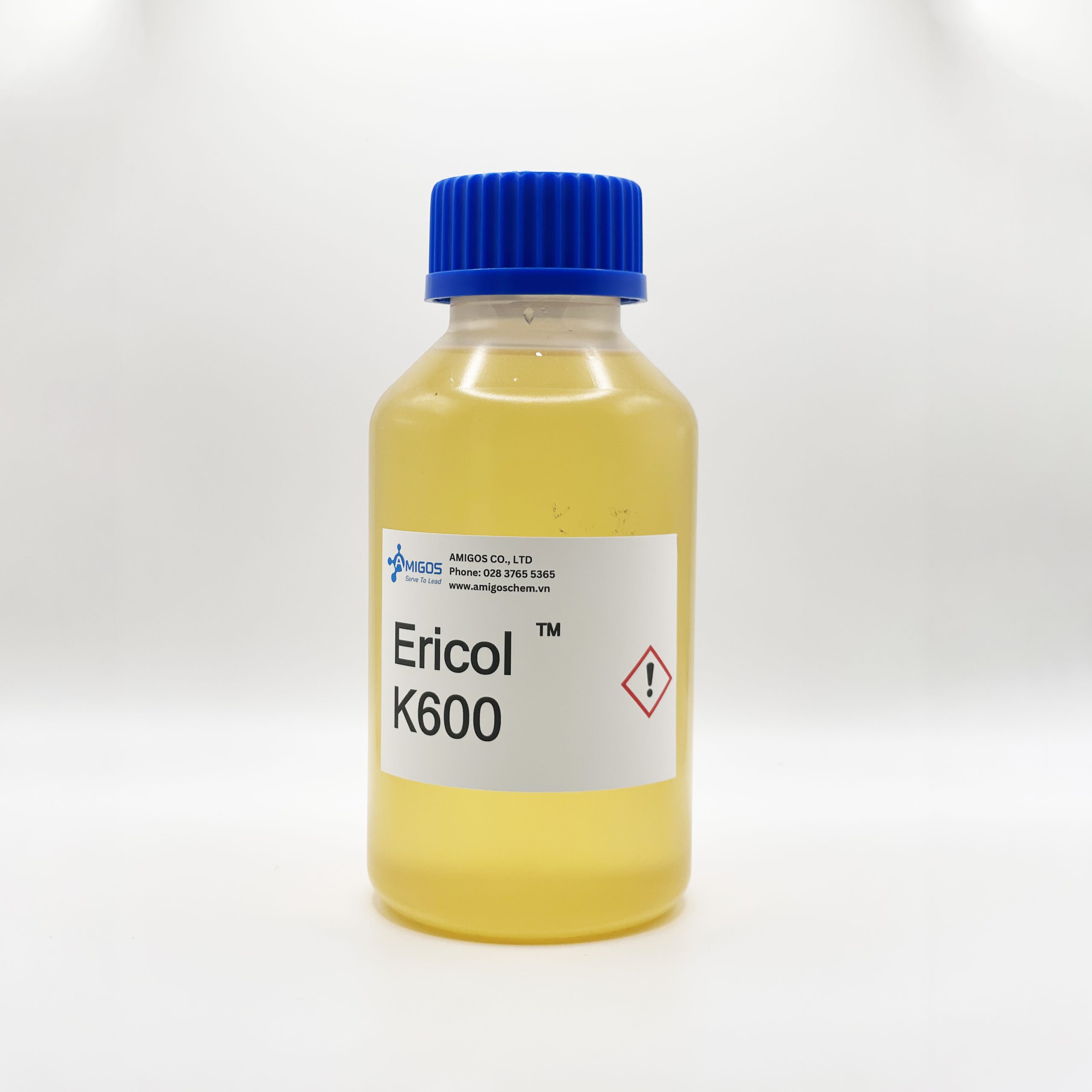
Ericol™ K600
Ericol™ K600 is a surfactant blend based on ethoxylated castor oil. It promotes the formation of fine, smooth emulsions with excellent appearance. Ericol™ K600 is well-suited for the transition from EC (Emulsifiable Concentrate) to EW (Emulsion, Oil in Water) formulations, especially with biopesticide actives, and helps optimize production costs
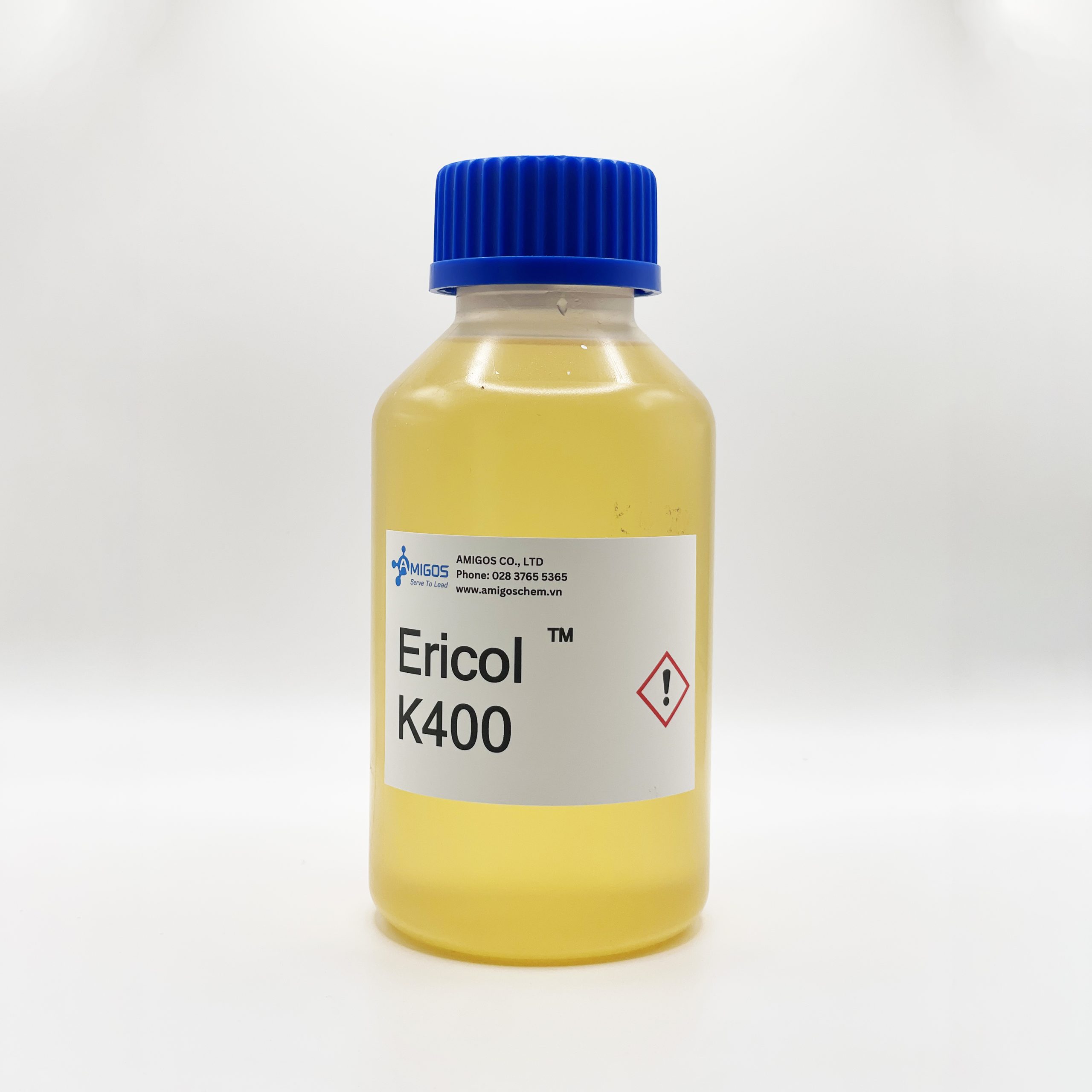
Ericol™ K400
Ericol™ K400 is a blend of Polyethylene Glycol Tristyrylphenyl Ether. It is a specialized emulsifier designed for Alpha-cypermethrin, suitable for use in various EC (Emulsifiable Concentrate) and SE (Suspo-Emulsion) formulations
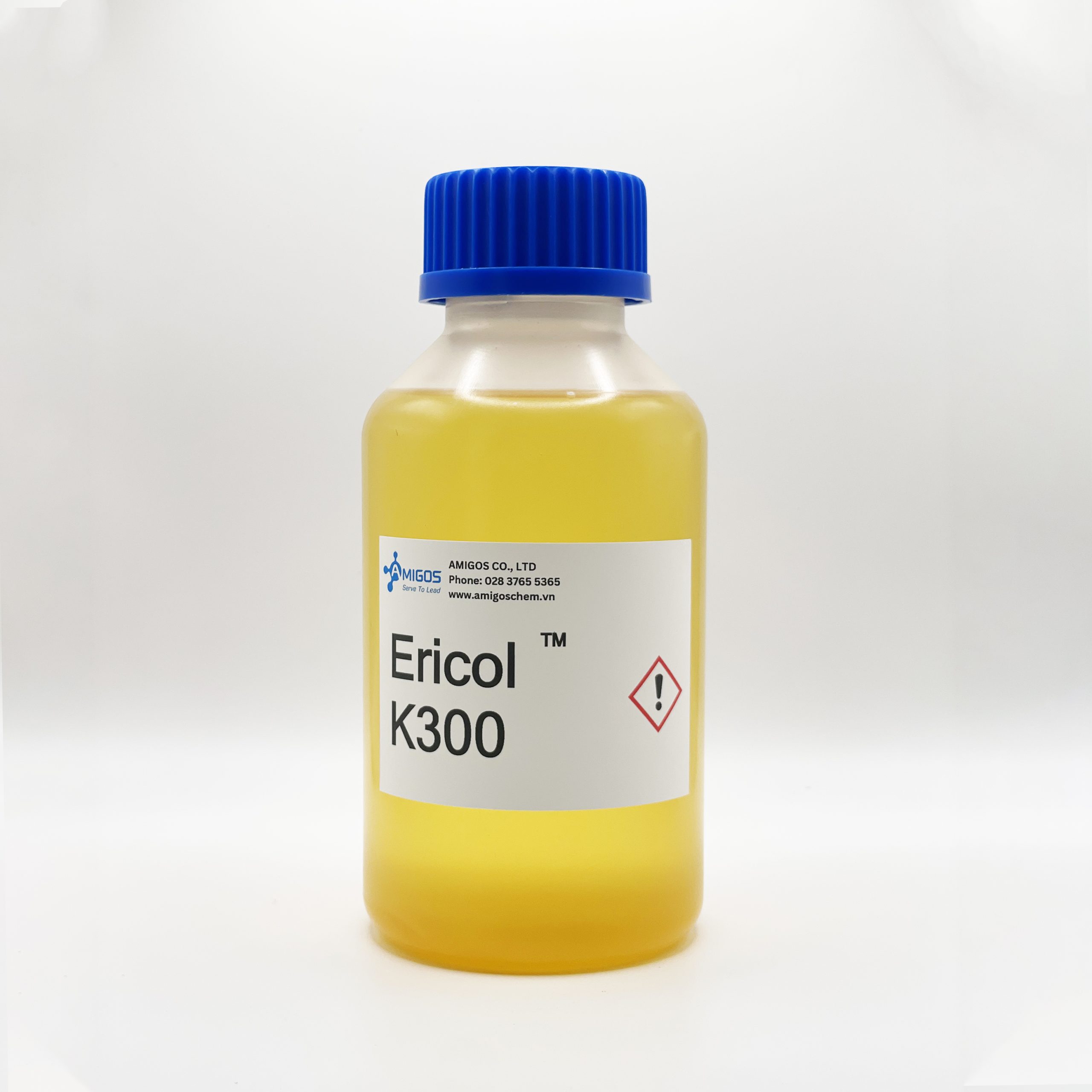
Ericol™ K300
Ericol™ K300 is a blend of nonionic surfactants combined with alkyl benzene sulfonic acid salts. It is a specialized emulsifier designed for EW (Emulsion, Oil in Water) and EC (Emulsifiable Concentrate) formulations
Let's create a sustainable future together!
Contact AMIGOS today to discover how we can help you elevate your product and achieve sustainable success in an increasingly competitive marketplace.

Other solutions
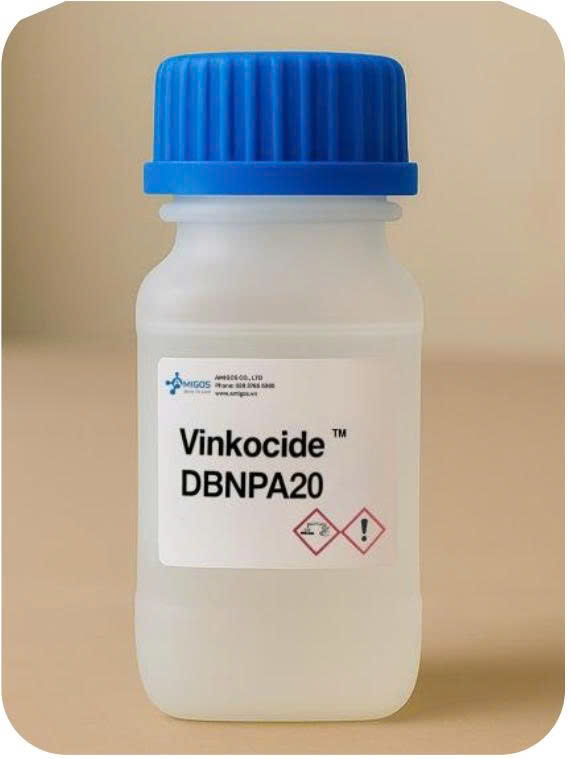
VINKOCIDE™ DBNPA 20
Contact AMIGOS today to discover how
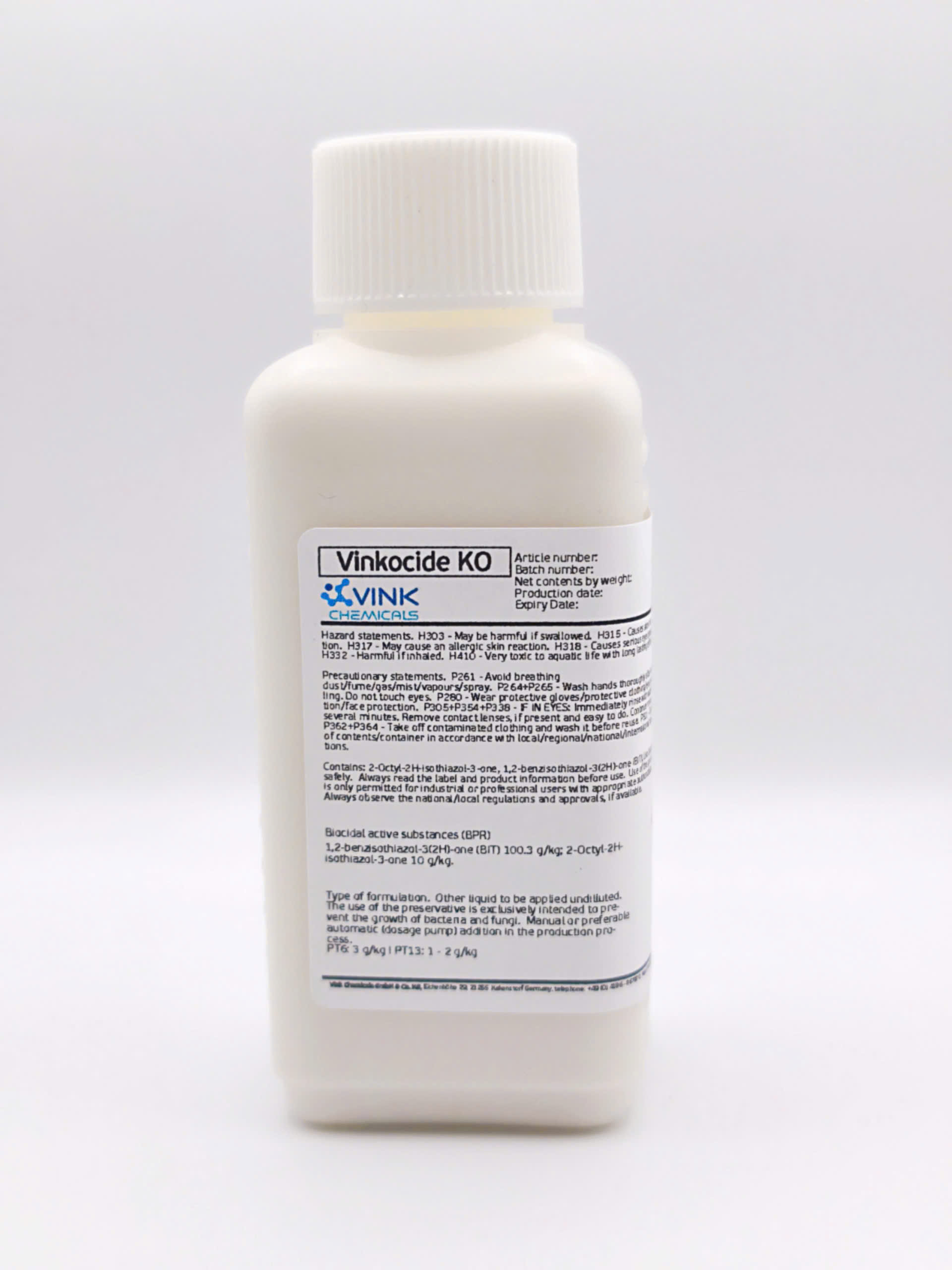
VINKOCIDE™ KO
Contact AMIGOS today to discover how
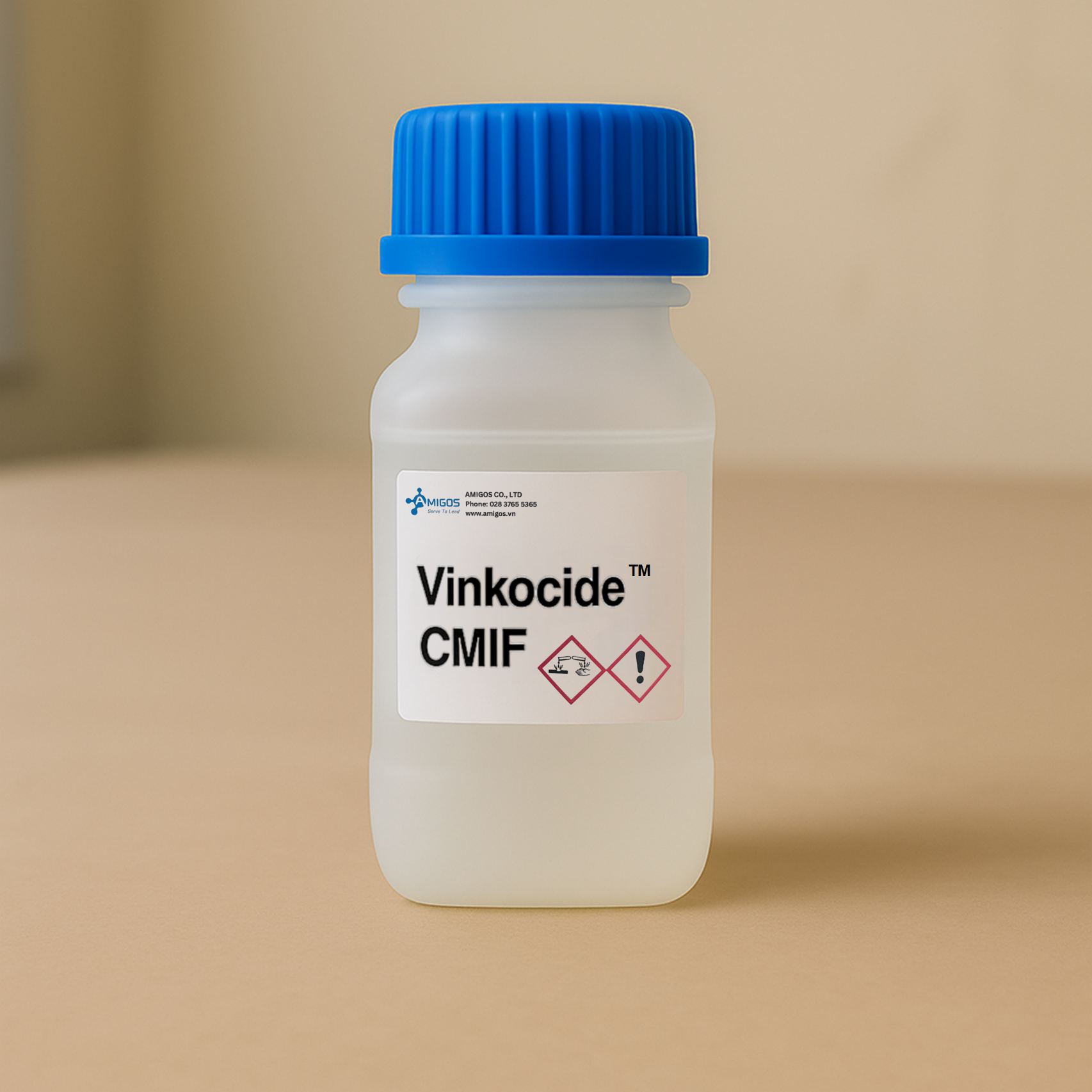
Vinkocide™ CMIF
Contact AMIGOS today to discover how
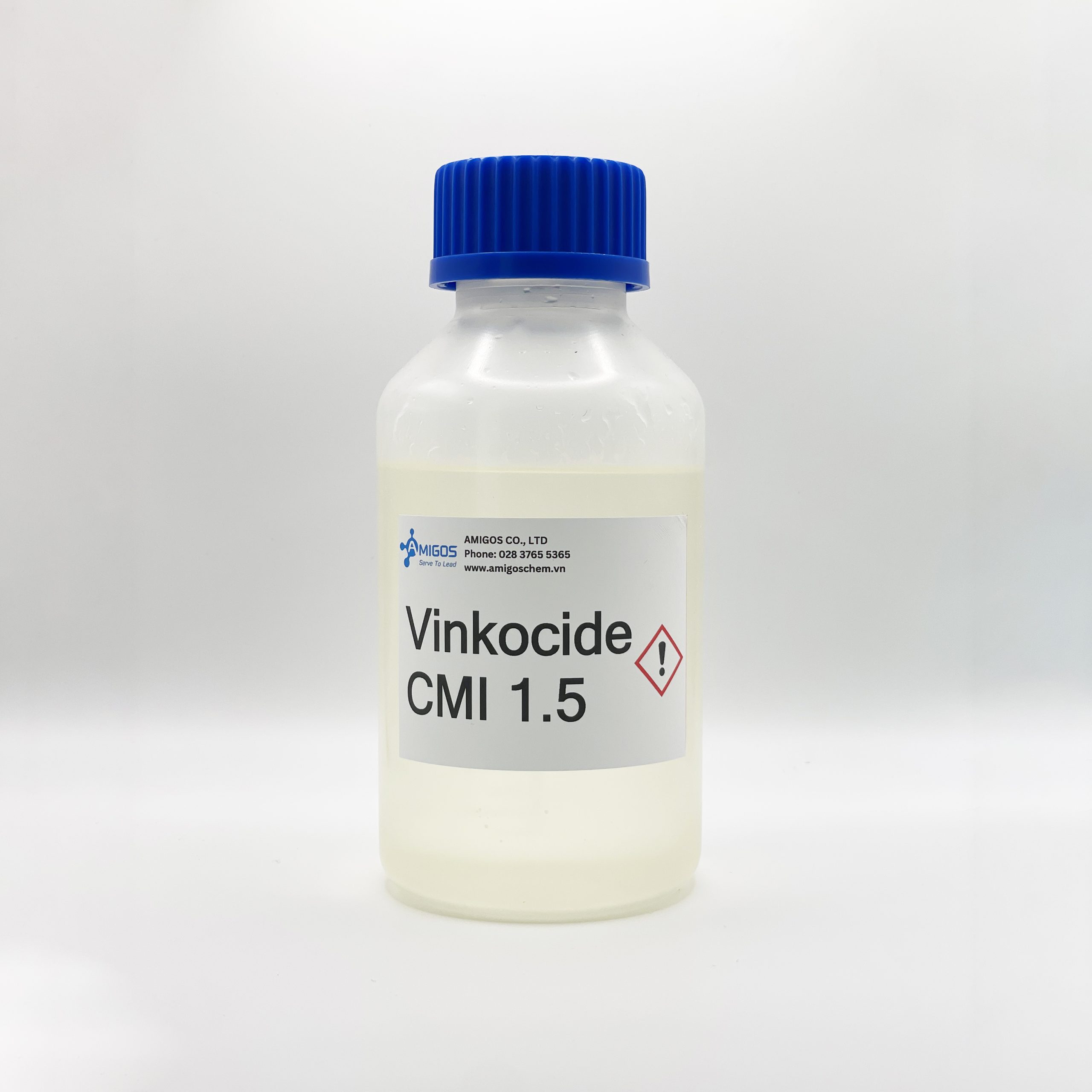
Vinkocide™ CMI 1.5
Contact AMIGOS today to discover how

EUCAROL® X-ION
Contact AMIGOS today to discover how