


Microemulsion (ME)
A microemulsion (ME) is defined as a system consisting of oil, water, and surfactants that forms a single‑phase, transparent, and thermodynamically stable emulsion.
ME formulations are typically water‑based products with extremely small droplet sizes, which gives them their transparent appearance. They are thermodynamically stable over a wide temperature range due to their very fine droplet size, typically between 0.01 and 0.05 µm. Therefore, unlike conventional emulsions—where oil droplets may gradually aggregate and cause phase separation—this phenomenon does not occur in microemulsions.
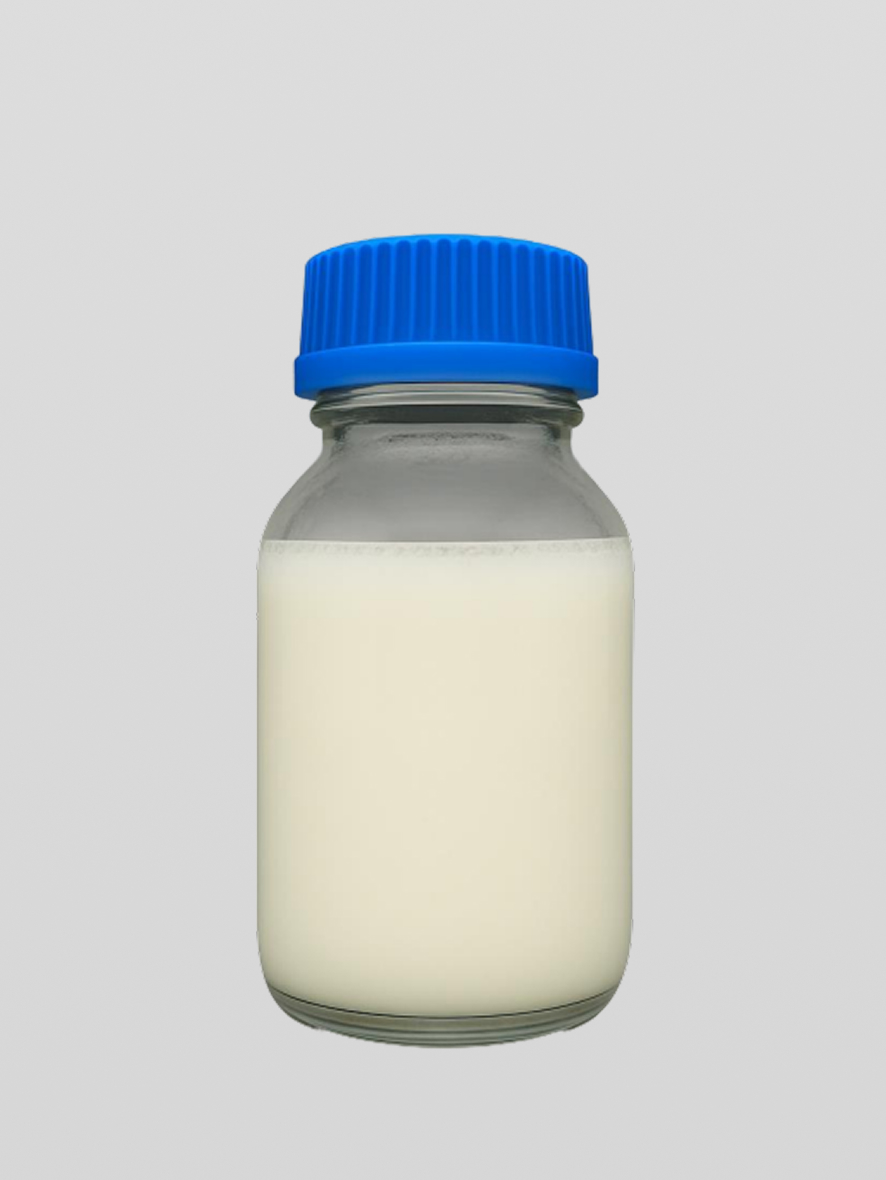


ME – an optimal choice thanks to its key advantages

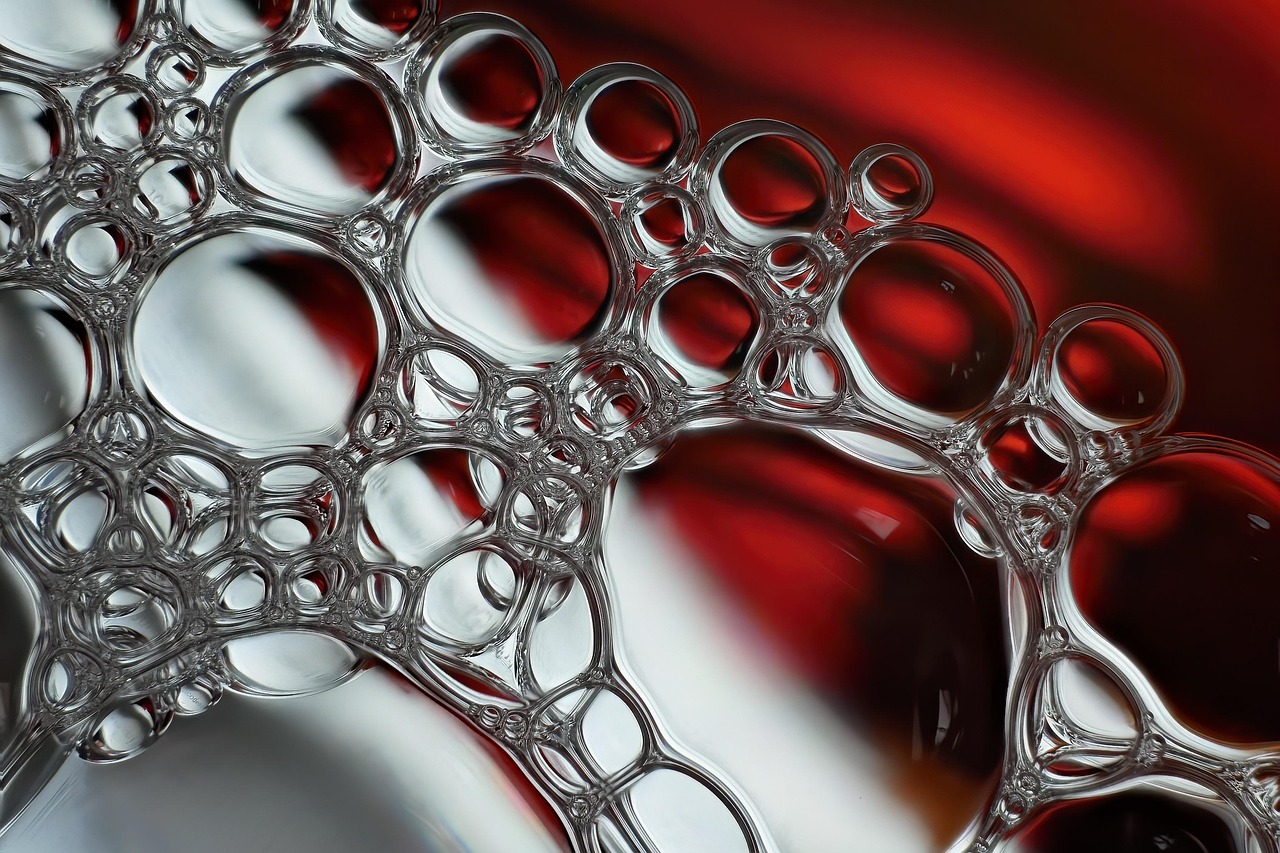
Despite its advantages, ME formulations still have certain limitations
Key principles for developing a microemulsion (ME) formulation
To prepare an effective and stable ME formulation, the following sequence of steps should be followed. First, if the active ingredient is in solid form, an appropriate solvent or oil system must be identified to fully dissolve it while ensuring compatibility with the intended emulsion system. Next, suitable surfactants are selected to support the formation and stabilization of the microemulsion.
The dissolved active ingredient is then mixed with the emulsifier under gentle stirring until a homogeneous oil phase (Phase A) is obtained. In a separate step, the aqueous phase (Phase B) is prepared by dissolving antifreeze agents and biocides in water, followed by gentle stirring until uniform.
Finally, Phase A is slowly added to Phase B under gentle agitation. During this process, the microemulsion forms spontaneously, producing a product with low viscosity, optical transparency, and thermodynamic stability—without the need for high‑shear mixing.
Let's create a sustainable future together!
Contact AMIGOS today to discover how we can help you elevate your product and achieve sustainable success in an increasingly competitive marketplace.

Other solutions
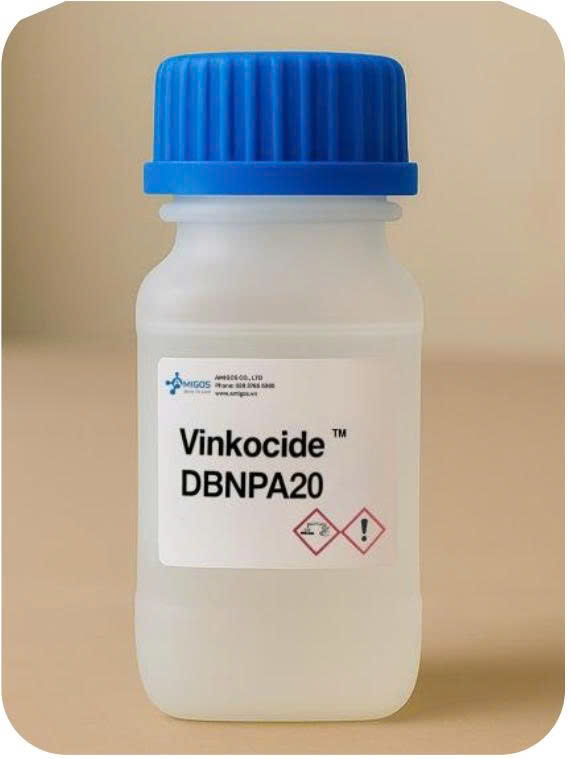
VINKOCIDE™ DBNPA 20
Contact AMIGOS today to discover how
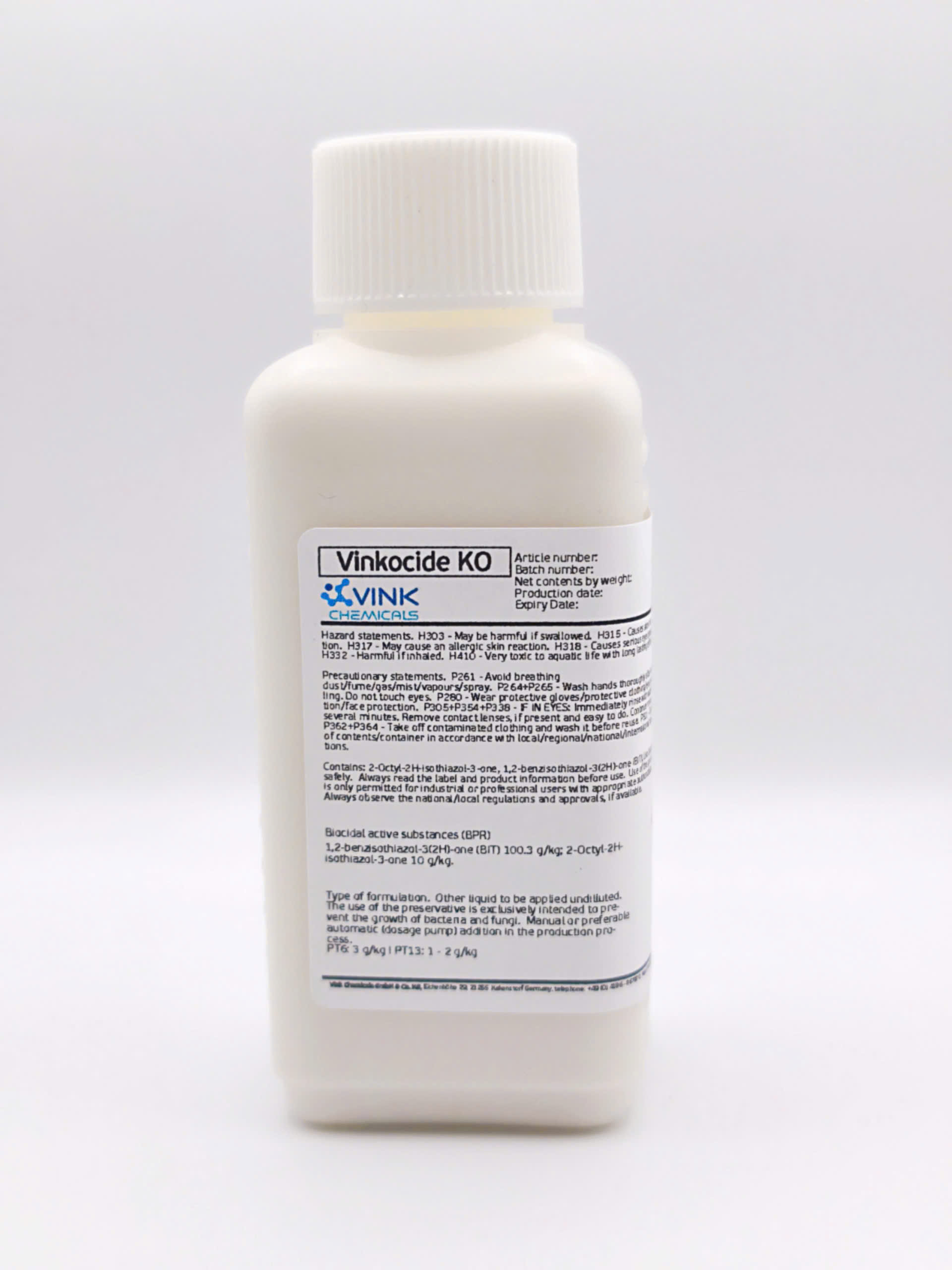
VINKOCIDE™ KO
Contact AMIGOS today to discover how
Vinkocide™ CMIF
Contact AMIGOS today to discover how
Vinkocide™ CMI 1.5
Contact AMIGOS today to discover how

EUCAROL® X-ION
Contact AMIGOS today to discover how