

Metaldehyde: A Reliable Solution for Snail Control in Vietnamese Agriculture
Overview of Metaldehyde Metaldehyde is a widely used molluscicide in Vietnamese agriculture, particularly effective against the golden apple snail (Pomacea canaliculata) – a serious pest on rice and other aquatic crops. Typically formulated at concentrations of 6% – 15% in GR (granules), AB (baits), or RB (ready-to-use baits), Metaldehyde is favored for its cost-effectiveness and strong performance […]
Overview of Metaldehyde
Metaldehyde is a widely used molluscicide in Vietnamese agriculture, particularly effective against the golden apple snail (Pomacea canaliculata) – a serious pest on rice and other aquatic crops.
Typically formulated at concentrations of 6% – 15% in GR (granules), AB (baits), or RB (ready-to-use baits), Metaldehyde is favored for its cost-effectiveness and strong performance in the field.
Mode of Action
Metaldehyde works by overstimulating mucus secretion in snails, leading to:
- Severe dehydration
- Neuromuscular dysfunction
- Feeding inhibition
- Death within 2–3 days after exposure
The active ingredient acts through both contact and stomach poison, and its bait formulations are particularly attractive to snails thanks to added feeding stimulants.
Formulation Challenges of Metaldehyde
Despite its effectiveness, Metaldehyde formulations face several technical challenges:
- Active ingredient stability: Metaldehyde is heat-sensitive, prone to sublimation and decomposition above 80°C.
- Bait hardness: The bait must be strong enough to withstand transportation without breaking, yet soft enough for snails to feed on. Overly hard pellets reduce attractiveness, while overly soft ones disintegrate quickly in humid environments.
- Attractant balance: The formula must balance feeding stimulants with product durability.
- Water resistance: Baits must maintain integrity for at least 7–10 days in wet paddy fields without disintegrating.
- Content degradation: Field observations and expert feedback indicate Metaldehyde content may decrease by around 20% after one year of storage – a major challenge impacting product quality and efficacy.
Conclusion
Metaldehyde remains a proven and cost-effective solution for snail management in Vietnamese agriculture. However, ensuring long-term stability—particularly in preventing content degradation—requires advanced formulation technology and the use of suitable stabilizing or protective additives.
Bonding™ A25: Advanced Binder for Metaldehyde Formulations
Bonding™ A25 is a liquid polyurethane-based polymer binder, specifically designed for use in granular (GR) and bait (AB) pesticide formulations.
Key Benefits
- Easy to use: Liquid form, dissolves easily in water compared to some powder binders that are difficult to disperse.
- Consistent quality: Provides uniform product quality compared to direct mixing with powder binders, which often leads to uneven results.
- Strong binding capacity: Effective at low dosage rates, suitable even when applied via spraying.
- Stable performance: Compatible with colors and attractants, ensuring reliable product quality.
- Easy storage: Does not absorb moisture like powder binders, making it more stable during storage.
Reference Formulation
- Metaldehyde 12% GR
Product Specifications
- Appearance: Liquid
- Solid content: ≥ 45%
- pH (direct): 7 – 9
- Packaging: 200 kg/drum
Its properties make it an ideal solution for Metaldehyde products, helping manufacturers improve pellet hardness, durability, and long-term stability, ensuring consistent field performance.
Ericol™ Meta – A Breakthrough for SC Formulations
Moving beyond the traditional GR and AB forms, Amigos introduces Ericol™ Meta – an innovative solution for developing Metaldehyde SC (Suspension Concentrate) formulations, fully compatible with the active ingredient produced using conventional manufacturing technology.
With Ericol™ Meta, manufacturers gain access to a broader range of additive options, enabling greater flexibility and differentiation in product development.
Other news
In modern agriculture, advancements in technology and pesticide formulation have driven significant breakthroughs. Among the most prominent trends today is the EW (Emulsion in Water) formulation, which is increasingly gaining market traction due to its superior performance, safety profile, and environmental compatibility. EW Formulation – A Breakthrough Advancement Compared to EC 1. Safety and Environmental […]
Introduction: Atrazine and Mesotrione in Vietnam’s Agricultural Conditions Atrazine is one of the most widely used herbicides in Vietnam, particularly in major maize and sugarcane growing regions such as the Central Highlands, Southeast, and North Central provinces. Atrazine effectively controls common weeds such as Digitaria, Echinochloa, Eleusine, and other narrow-leaved grasses that significantly reduce crop […]
1. Sources of ZnO in Vietnam Currently, the Vietnamese market imports four major sources of Zinc Oxide (ZnO) from Thailand, Taiwan, Malaysia, and China. Each source has its own production method, resulting in significant differences in purity, impurity levels, particle size, and application range. This diversity provides fertilizer manufacturers […]
Fenobucarb – A Key Active Ingredient in Vietnam’s Crop Protection Fenobucarb (BPMC) is a carbamate insecticide widely used in Vietnamese agriculture to control pests in rice and various crops. It is one of the most effective active ingredients for managing brown planthoppers, thrips, and other major pests—especially when combined with additional active ingredients. […]
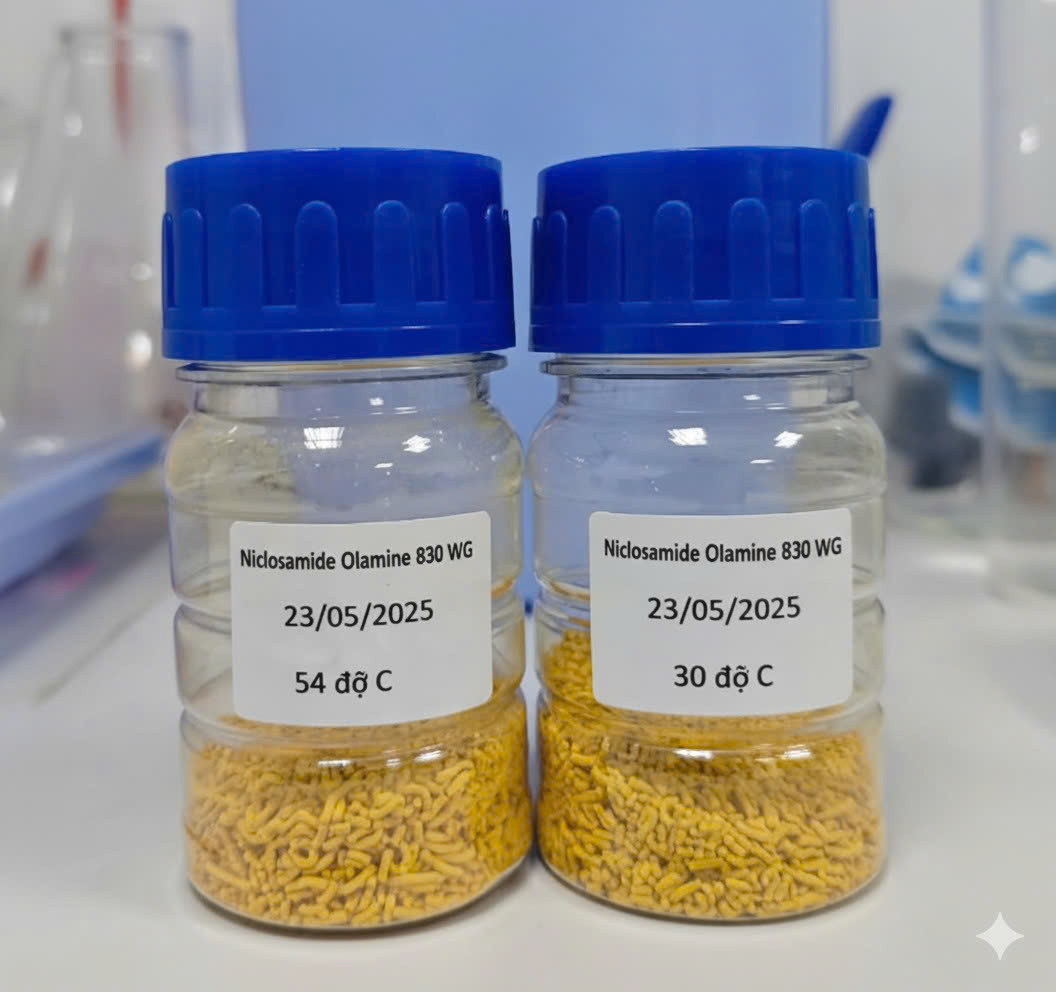
Introduction to Niclosamide and Niclosamide-olamine Niclosamide is a highly effective active ingredient used to control the golden apple snail (Pomacea canaliculata) and is widely applied in Vietnamese agriculture. Niclosamide-olamine, the salt form of Niclosamide, offers better water solubility and easier handling during formulation. Important Conversion Factor According to FAO […]
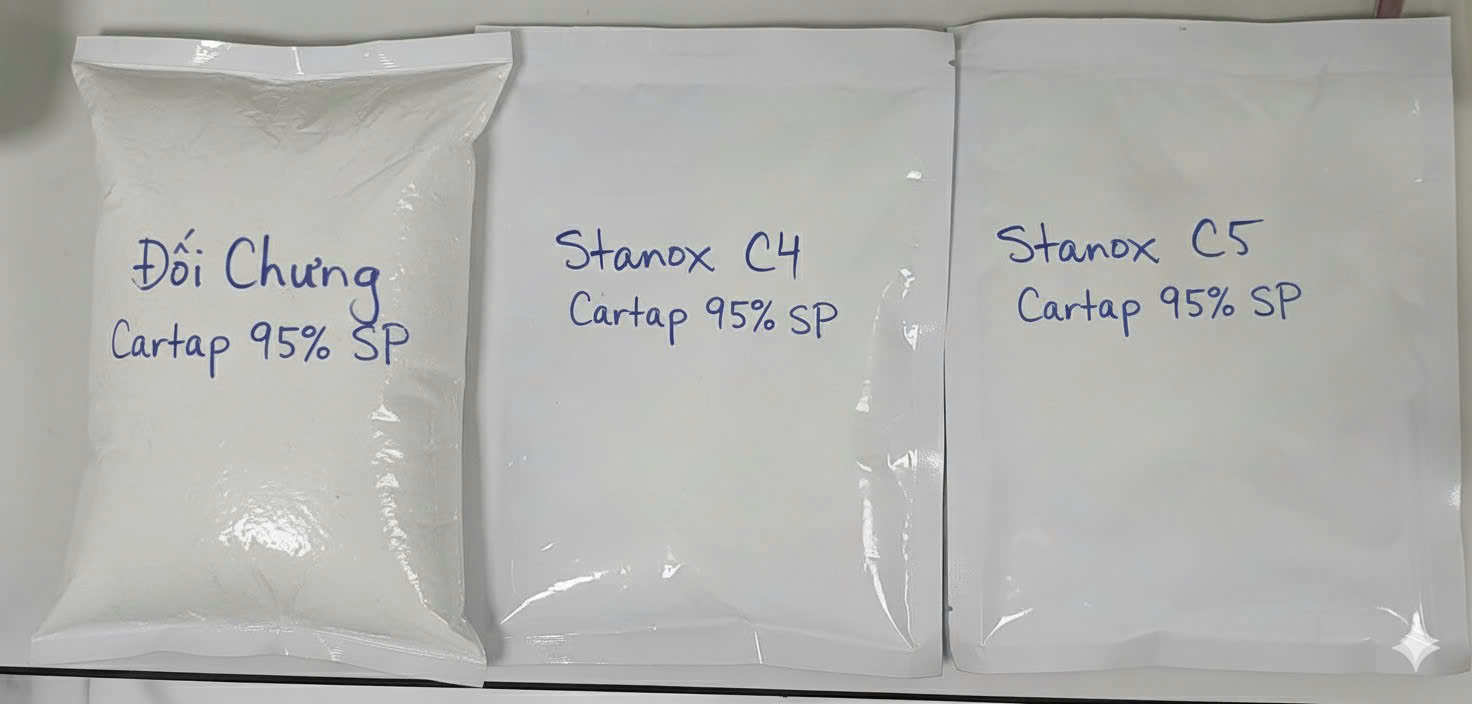
Introduction to Cartap Hydrochloride and Thiosultap-sodium Cartap Hydrochloride and Thiosultap-sodium (Monosultap) are two active ingredients from the Nereistoxin group – an important class of bio-insecticides in agriculture. Derived from the natural toxin of marine worms, these compounds effectively control a wide range of pests on rice, vegetables, and fruit crops. […]