

Solving the Fenobucarb (BPMC) EC Challenge: Enhancing Quality, Optimizing Costs
Fenobucarb – A Key Active Ingredient in Vietnam’s Crop Protection Fenobucarb (BPMC) is a carbamate insecticide widely used in Vietnamese agriculture to control pests in rice and various crops. It is one of the most effective active ingredients for managing brown planthoppers, thrips, and other major pests—especially when combined with additional active ingredients. […]
Fenobucarb – A Key Active Ingredient in Vietnam’s Crop Protection
Fenobucarb (BPMC) is a carbamate insecticide widely used in Vietnamese agriculture to control pests in rice and various crops. It is one of the most effective active ingredients for managing brown planthoppers, thrips, and other major pests—especially when combined with additional active ingredients.
According to CafeF, Vietnam currently has 96 pesticide formulation facilities with a total capacity of 300,000 tons/year, but only one facility producing active ingredients with a capacity of just 50 tons/year. This highlights Vietnam’s heavy dependence on imported actives.
As Nhan Dan Newspaper noted, Vietnam is promoting domestic pesticide production to reduce reliance on imports and strengthen local manufacturing capacity. In this context, improving product quality and optimizing production costsare critical to enhancing competitiveness for Vietnamese companies.
The Challenge: Balancing Cost and Quality in a Competitive Market
Vietnam’s pesticide market is mature, with numerous technical solutions already in wide use. However, price pressure has led many Fenobucarb EC products to be developed at the “basic standard” level—meeting minimum requirements(“good enough”) rather than achieving premium quality (“best in class”).
The distinction between “standard” and “premium” products lies in:
- Emulsion stability:Premium products form uniform emulsions that do not separate after dilution.
- Compatibility:Better formulation compatibility when combined with other active ingredients.
- Biological efficacy:Enhanced spreading and adhesion on leaf surfaces.
The New Solution: Ericol™ PMC – Upgrading Quality, Enhancing Competitiveness
Amigos proudly introduces Ericol™ PMC, the next-generation emulsifier system tailored for Fenobucarb EC. This marks a significant improvement over traditional products such as Tenomul 7015.
Outstanding Advantages of Ericol™ PMC
- Superior Emulsion Quality
- Optimized blend of Polyoxyethylene Tristyrylphenol Ether surfactants
- Delivers stable, homogeneous emulsions meeting premium standards
- High Formulation Flexibility
- Compatible with common solvents such as A100 and xylene
- Especially suitable withmethanol as a co-solvent, reducing formulation density and solvent cost
- Expanded Application Potential
- Enables dual-active formulations: Fenobucarb 350 g/L + Acetamiprid 50 g/L EC (*)
- Supports development ofFenobucarb 450 g/L + Imidacloprid 50 g/L EC (*)
- Creates competitive advantage with differentiated active ingredient combinations
- Cost-Effective
- Competitive pricing adapted to Vietnam’s market conditions
- Helps customers strengthen competitiveness in a price-sensitive environment
Conclusion
As Vietnam accelerates the development of its domestic crop protection industry, moving from “standard” to “premium” product quality is not just an advantage—it is a necessity.
Ericol™ PMC from Amigos offers the perfect balance of superior quality and cost efficiency, empowering Vietnamese manufacturers to compete confidently in both technology and market performance, and contributing to the sustainable growth of Vietnam’s crop protection industry.
(*) To be used in combination with other emulsifiers.
References & Reference Formulations:
- Việt Nam có 96 cơ sở mỗi năm sản xuất 300.000 tấn thuốc BVTV, nhưng chỉ có 1 cơ sở sản xuất hoạt chất, sản lượng 50 tấn
- Thúc đẩy phát triển sản xuất thuốc bảo vệ thực vật – Báo Nhân Dân
| Ericol™ PMC version | Fenobucarb 500g/l EC (without Methanol) |
| Fenobucarb 500g/l EC (with Methanol) | |
| Fenobucarb 350g/l + Acetamiprid 50g/l EC | |
| Fenobucarb 450g/l + Imidacloprid 50g/l EC |
⚠️ Important Note on the Use of Methanol
For production safety:
- Methanol is a colorless, fast-evaporating, and highly toxic solvent that can cause serious health hazards if inhaled, ingested, or absorbed through the skin.
- Adequate personal protective equipment (PPE) and proper ventilation systems are required during production.
- The use of Methanol in pesticide formulations should be minimized.
For export compliance:
- Many international markets (EU, Japan, Korea, Taiwan, etc.) have strict limits or complete bans on the use of methanol in pesticide formulations.
- Recommendation: Use methanol-free formulations for products intended for export.
📩 Contact Amigos for technical consultation and tailored solutions for your Fenobucarb EC formulations.
Other news
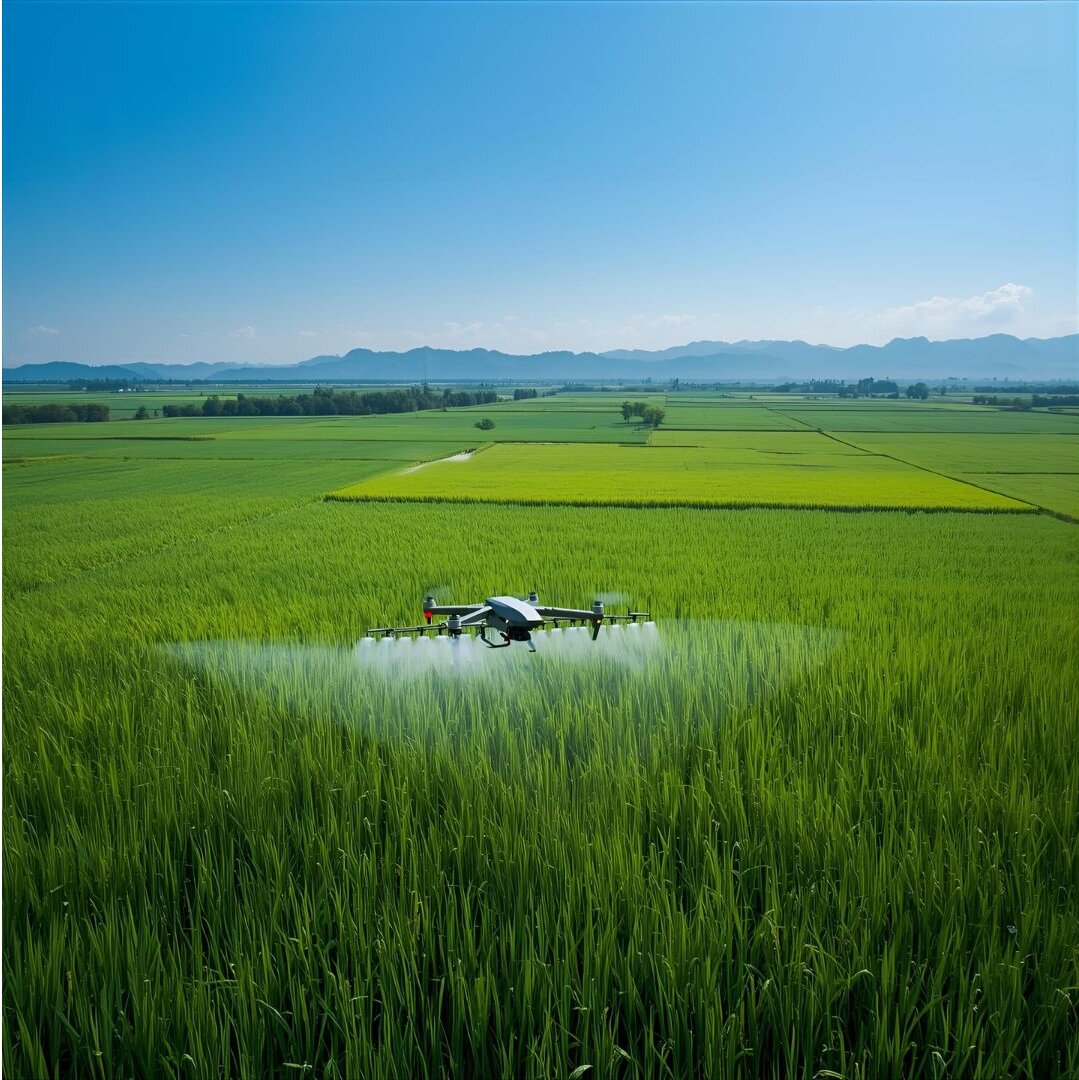
In modern agriculture, advancements in technology and pesticide formulation have driven significant breakthroughs. Among the most prominent trends today is the EW (Emulsion in Water) formulation, which is increasingly gaining market traction due to its superior performance, safety profile, and environmental compatibility. EW Formulation – A Breakthrough Advancement Compared to EC 1. Safety and Environmental […]

Introduction: Atrazine and Mesotrione in Vietnam’s Agricultural Conditions Atrazine is one of the most widely used herbicides in Vietnam, particularly in major maize and sugarcane growing regions such as the Central Highlands, Southeast, and North Central provinces. Atrazine effectively controls common weeds such as Digitaria, Echinochloa, Eleusine, and other narrow-leaved grasses that significantly reduce crop […]
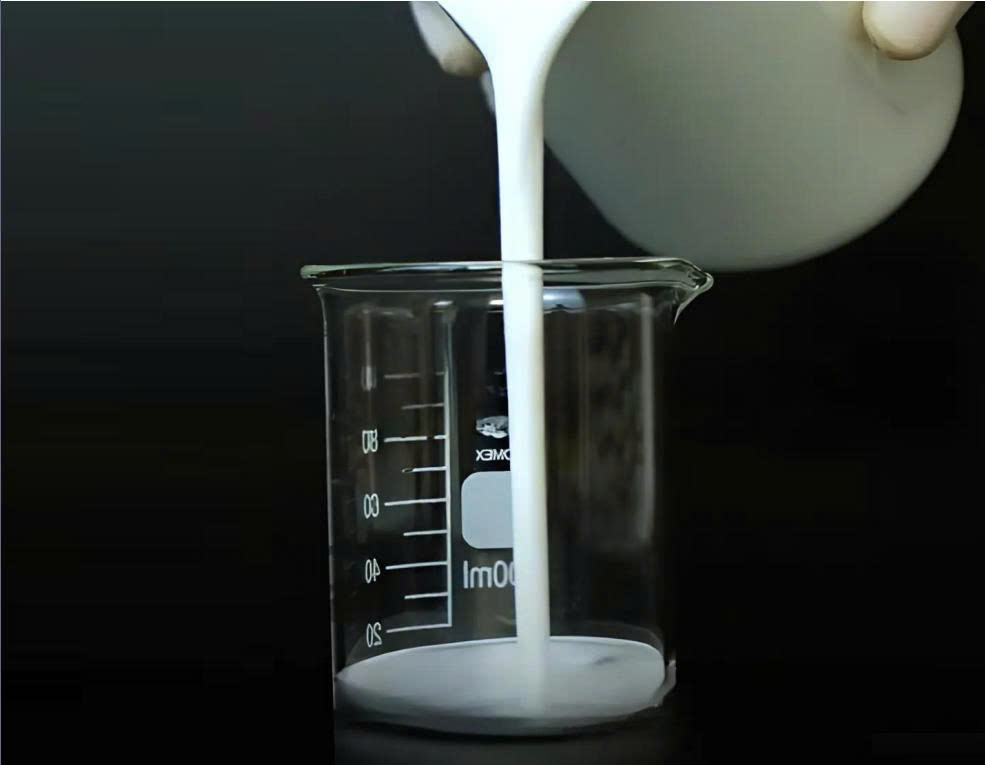
1. Sources of ZnO in Vietnam Currently, the Vietnamese market imports four major sources of Zinc Oxide (ZnO) from Thailand, Taiwan, Malaysia, and China. Each source has its own production method, resulting in significant differences in purity, impurity levels, particle size, and application range. This diversity provides fertilizer manufacturers […]
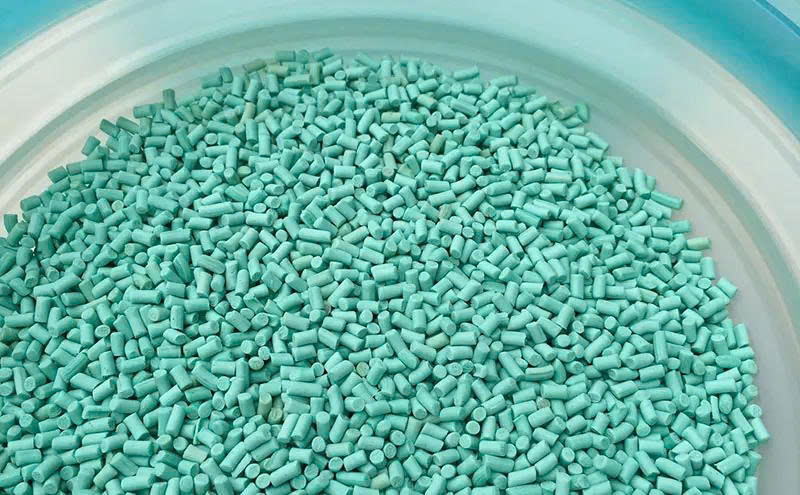
Overview of Metaldehyde Metaldehyde is a widely used molluscicide in Vietnamese agriculture, particularly effective against the golden apple snail (Pomacea canaliculata) – a serious pest on rice and other aquatic crops. Typically formulated at concentrations of 6% – 15% in GR (granules), AB (baits), or RB (ready-to-use baits), Metaldehyde is favored for its cost-effectiveness and strong performance […]
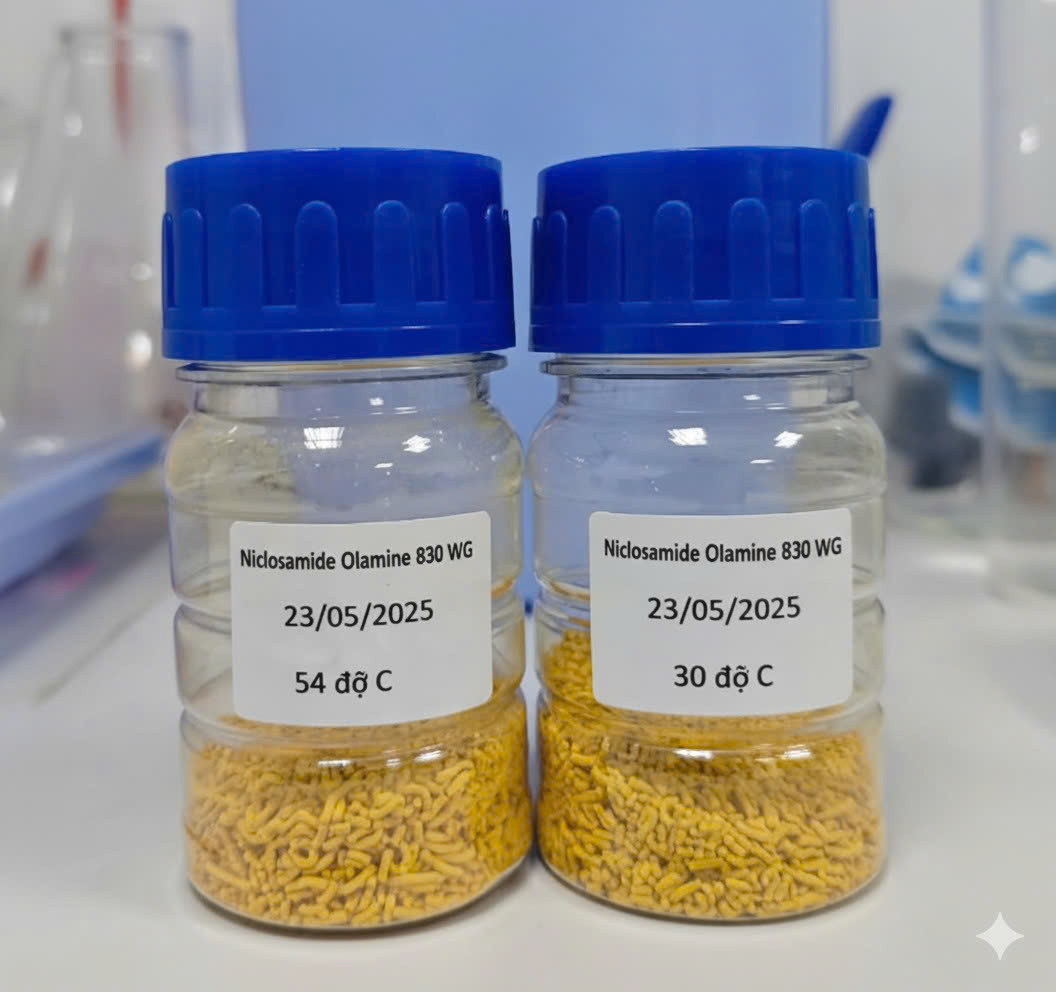
Introduction to Niclosamide and Niclosamide-olamine Niclosamide is a highly effective active ingredient used to control the golden apple snail (Pomacea canaliculata) and is widely applied in Vietnamese agriculture. Niclosamide-olamine, the salt form of Niclosamide, offers better water solubility and easier handling during formulation. Important Conversion Factor According to FAO […]
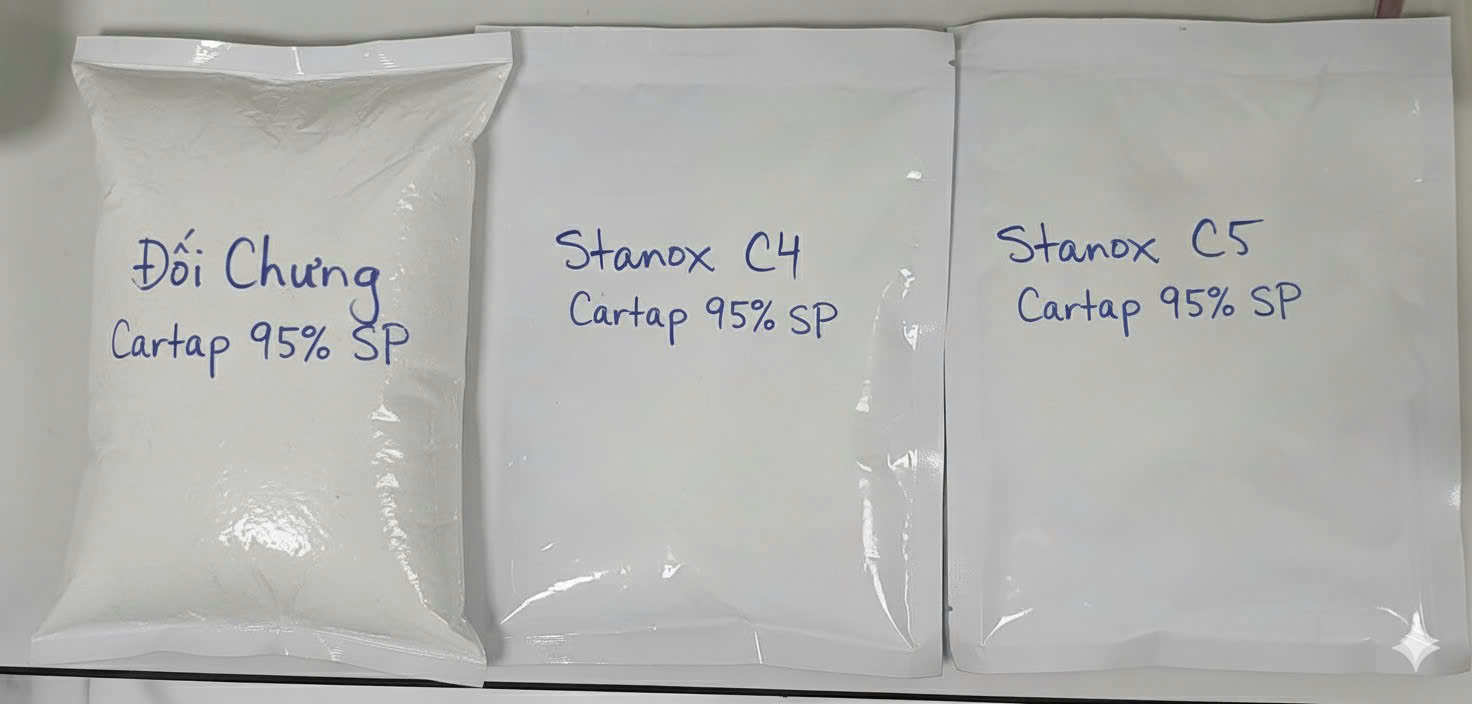
Introduction to Cartap Hydrochloride and Thiosultap-sodium Cartap Hydrochloride and Thiosultap-sodium (Monosultap) are two active ingredients from the Nereistoxin group – an important class of bio-insecticides in agriculture. Derived from the natural toxin of marine worms, these compounds effectively control a wide range of pests on rice, vegetables, and fruit crops. […]